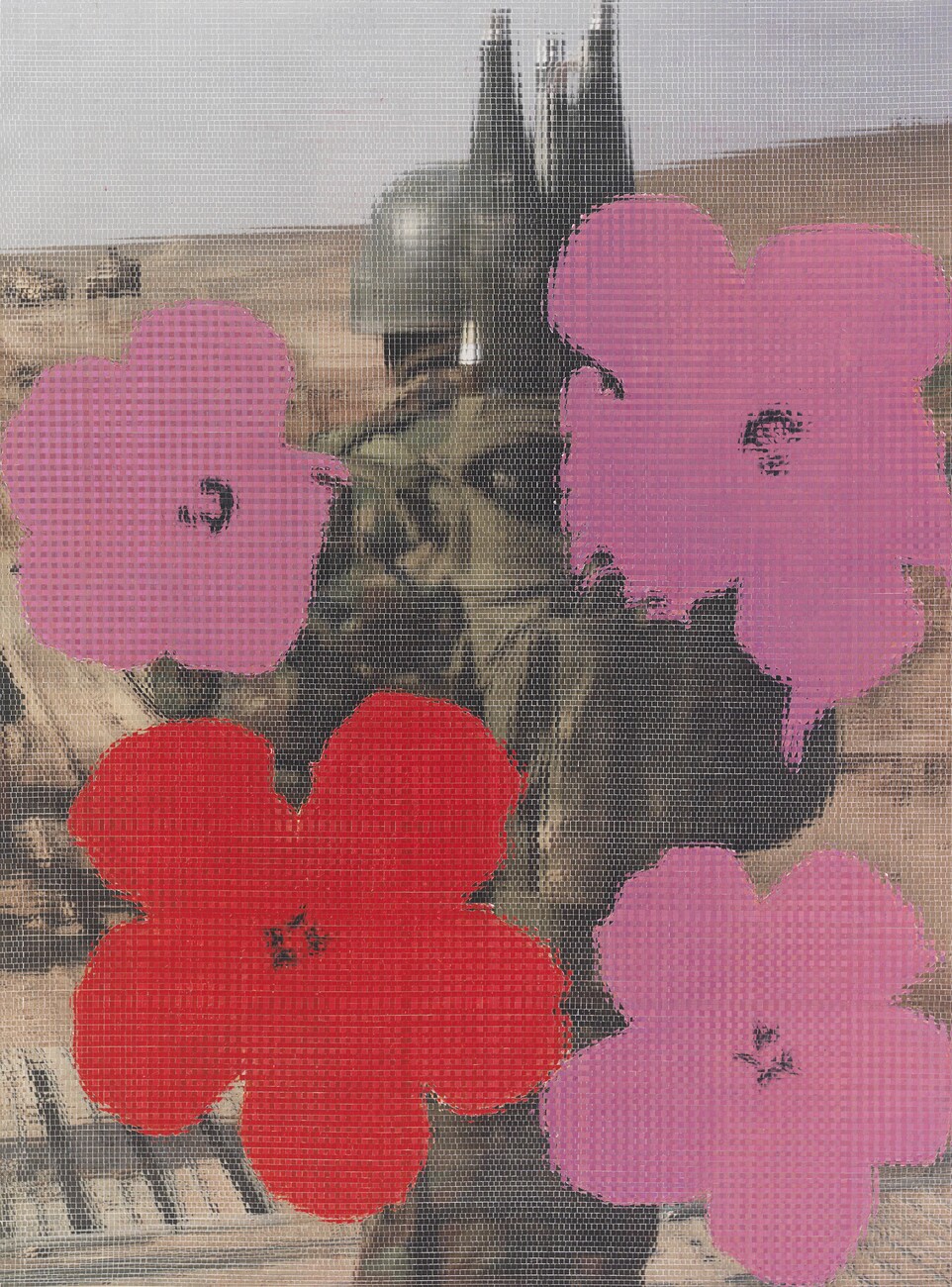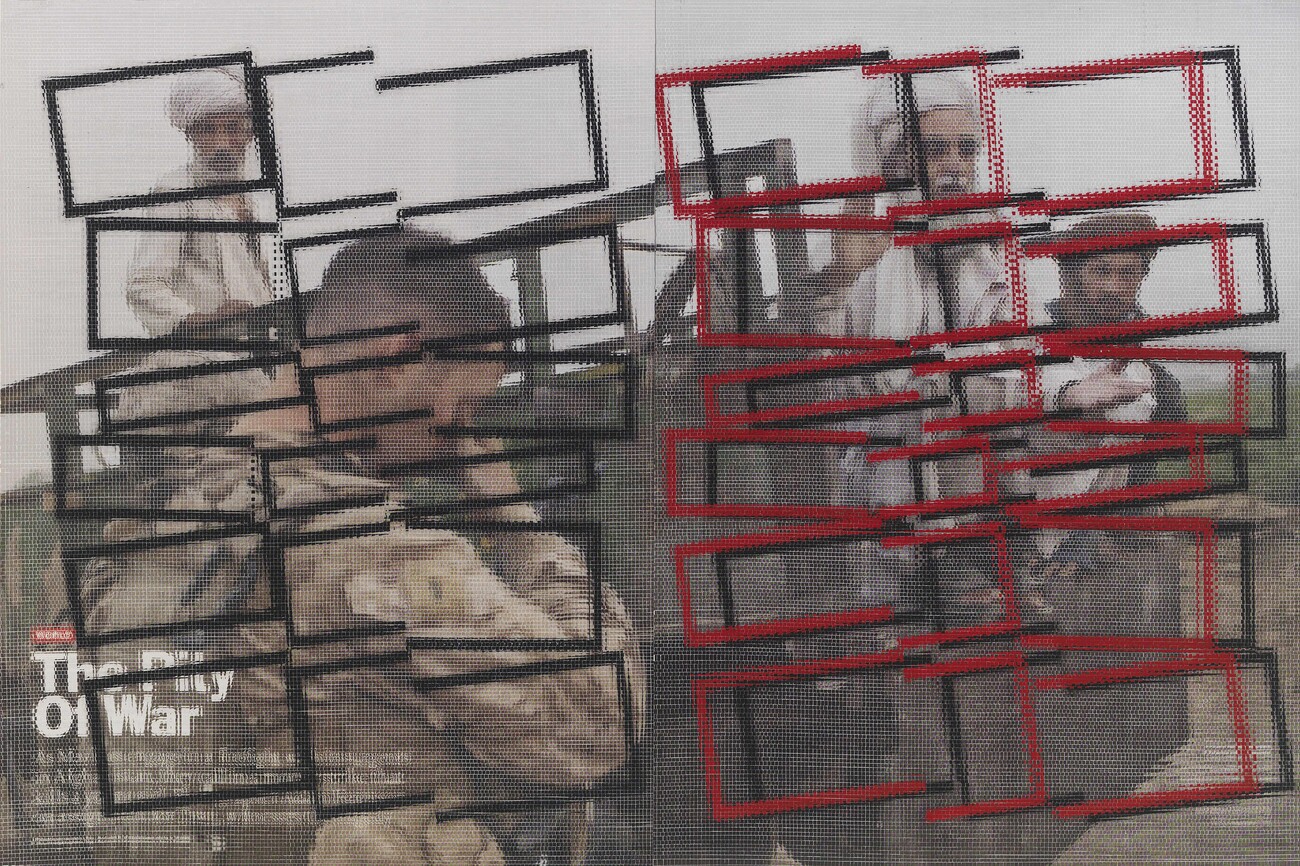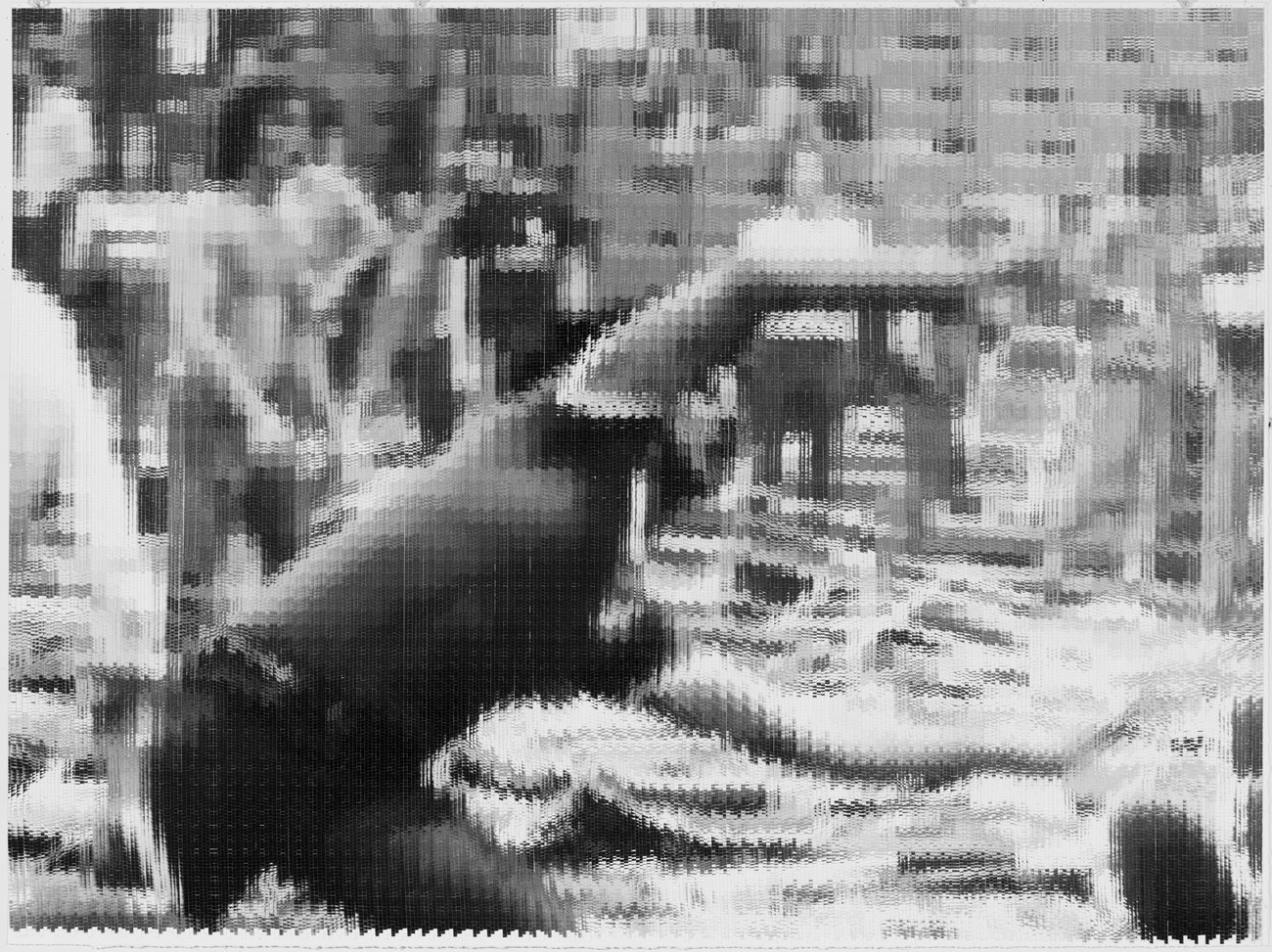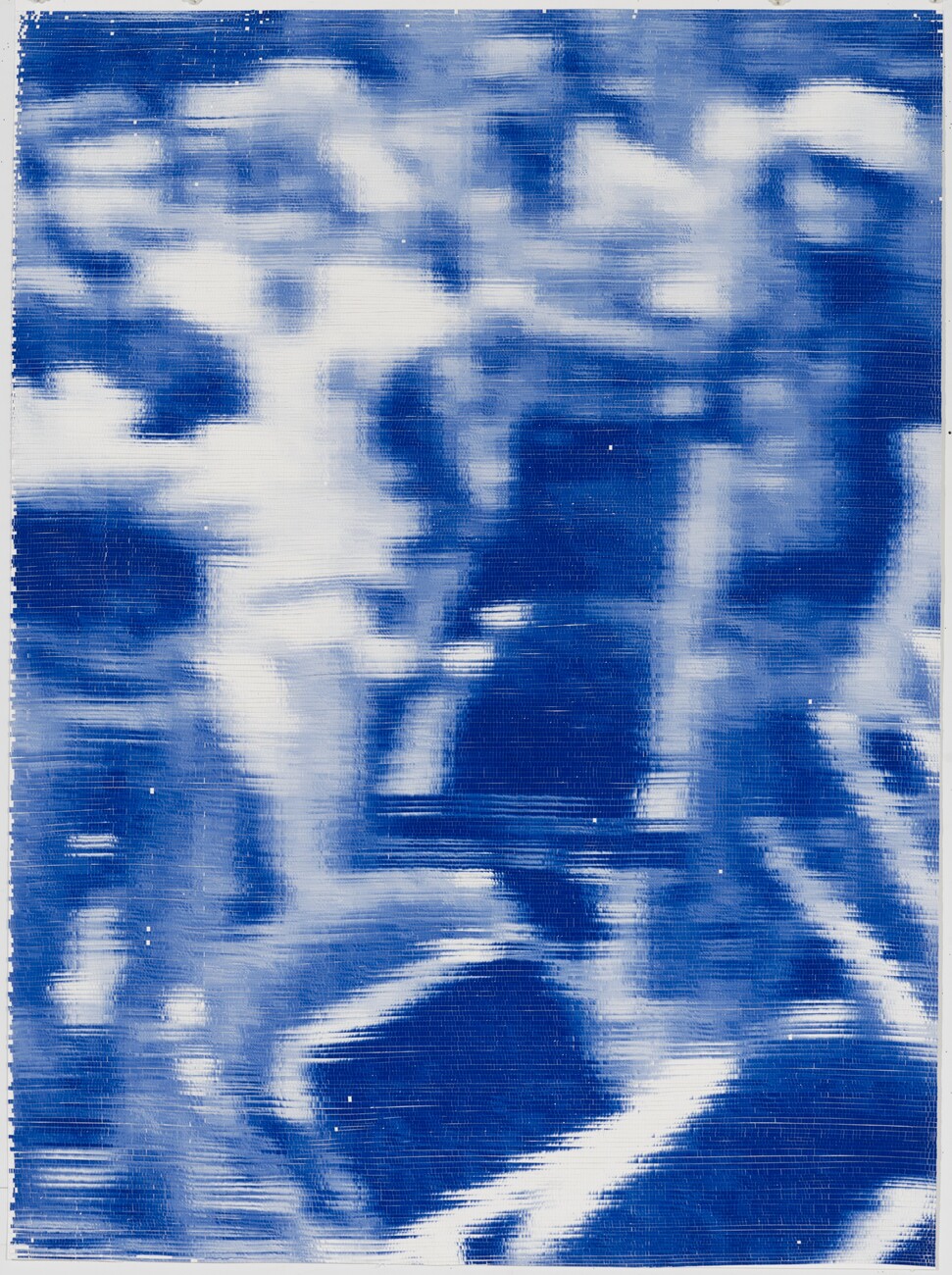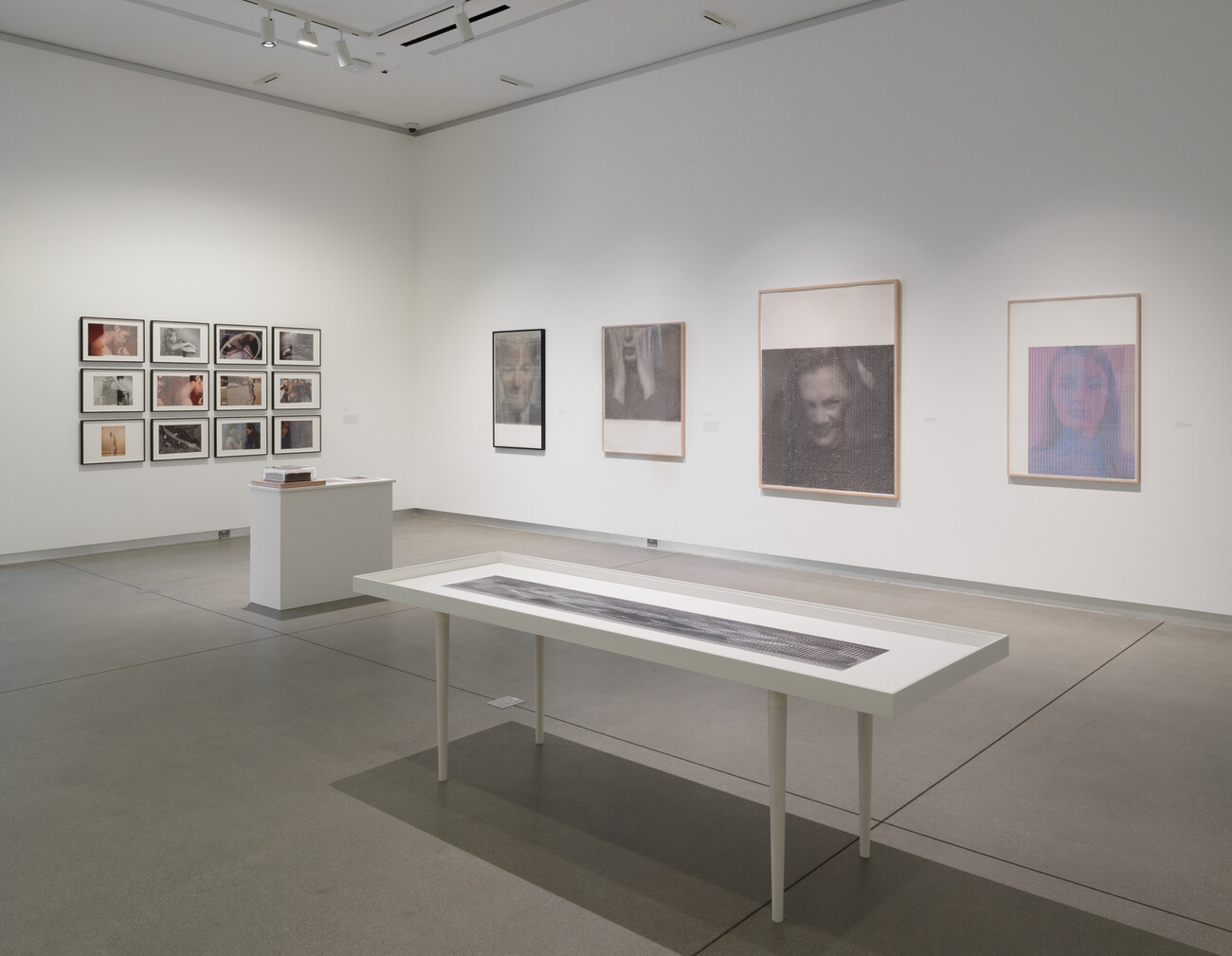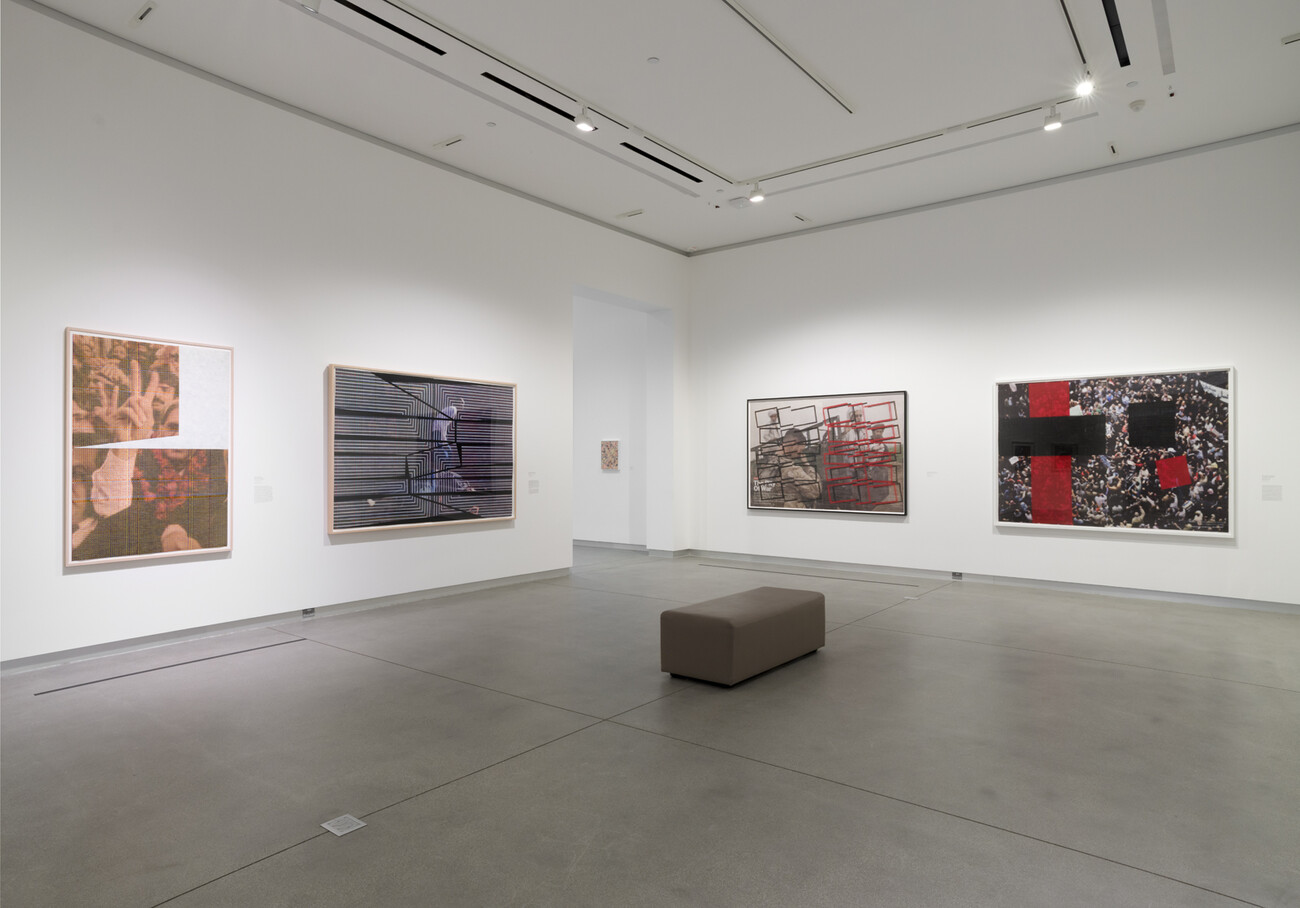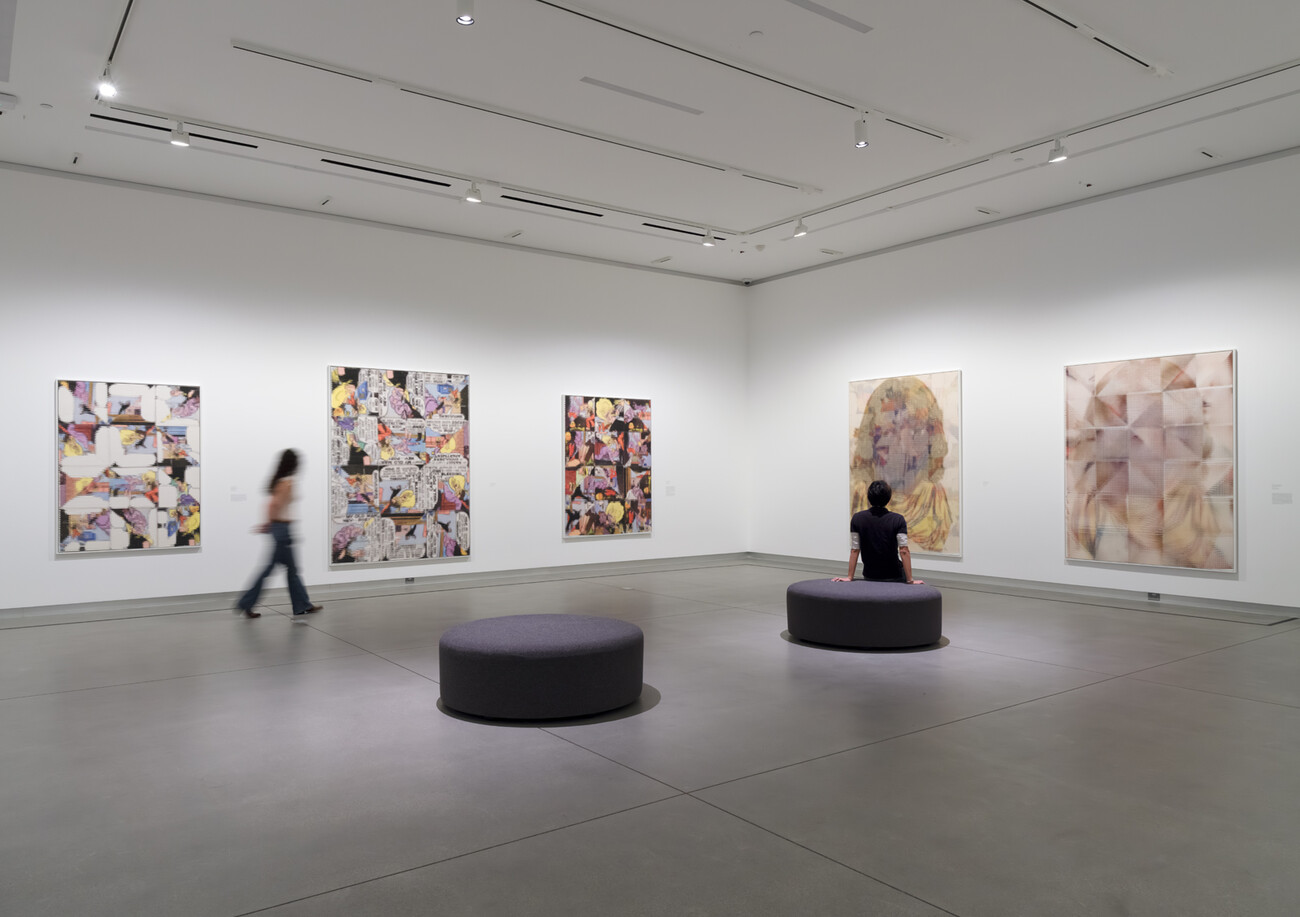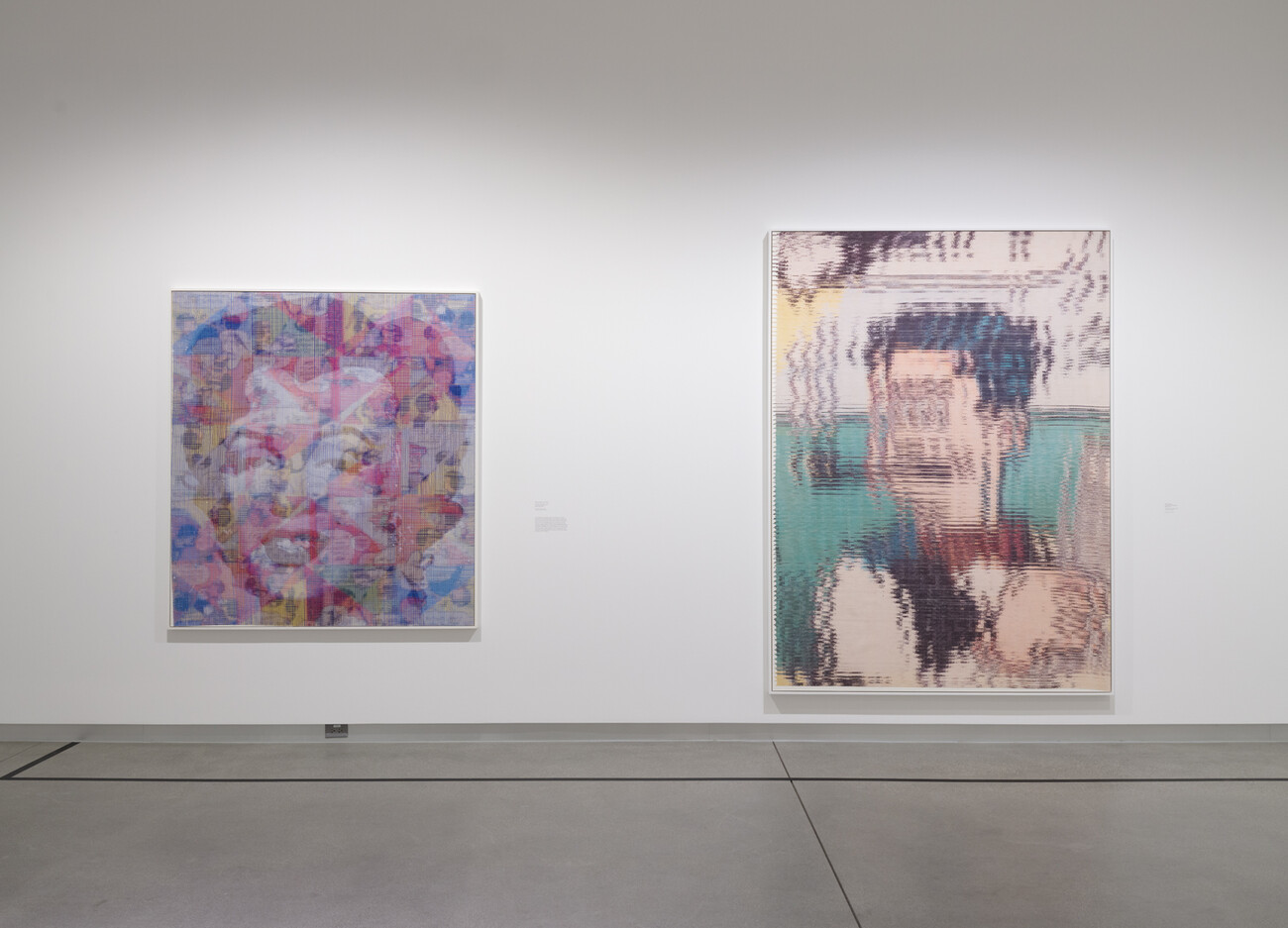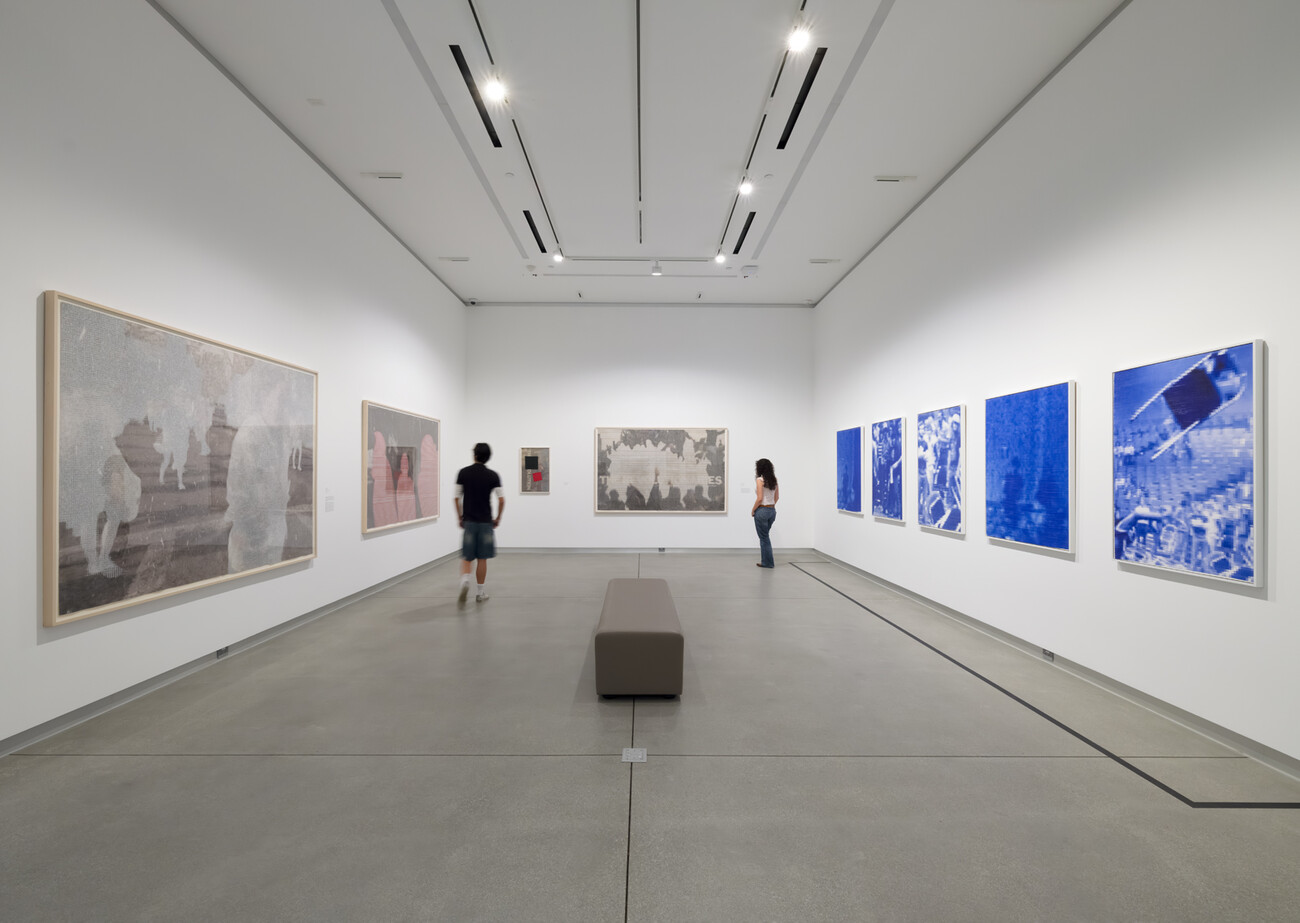
Comprised of nearly 100 works in multiple media, John Sparagana: Interference Patterns is the first survey exhibition to consider Sparagana’s unique practice of collage in which the artist remixes source material drawn from magazine pages, comic books, artists’ books, news images, and his own prior exhibition catalogues.
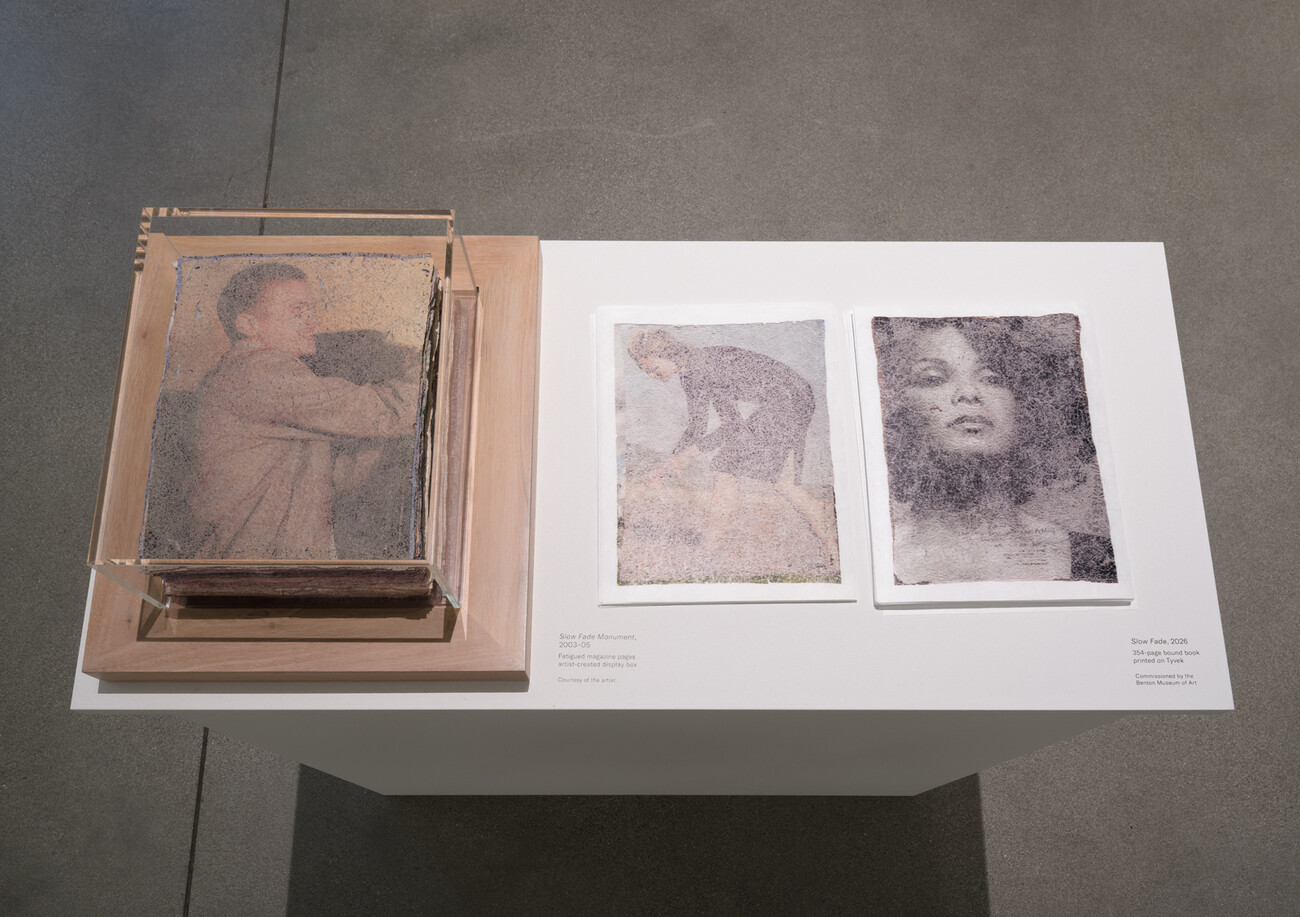
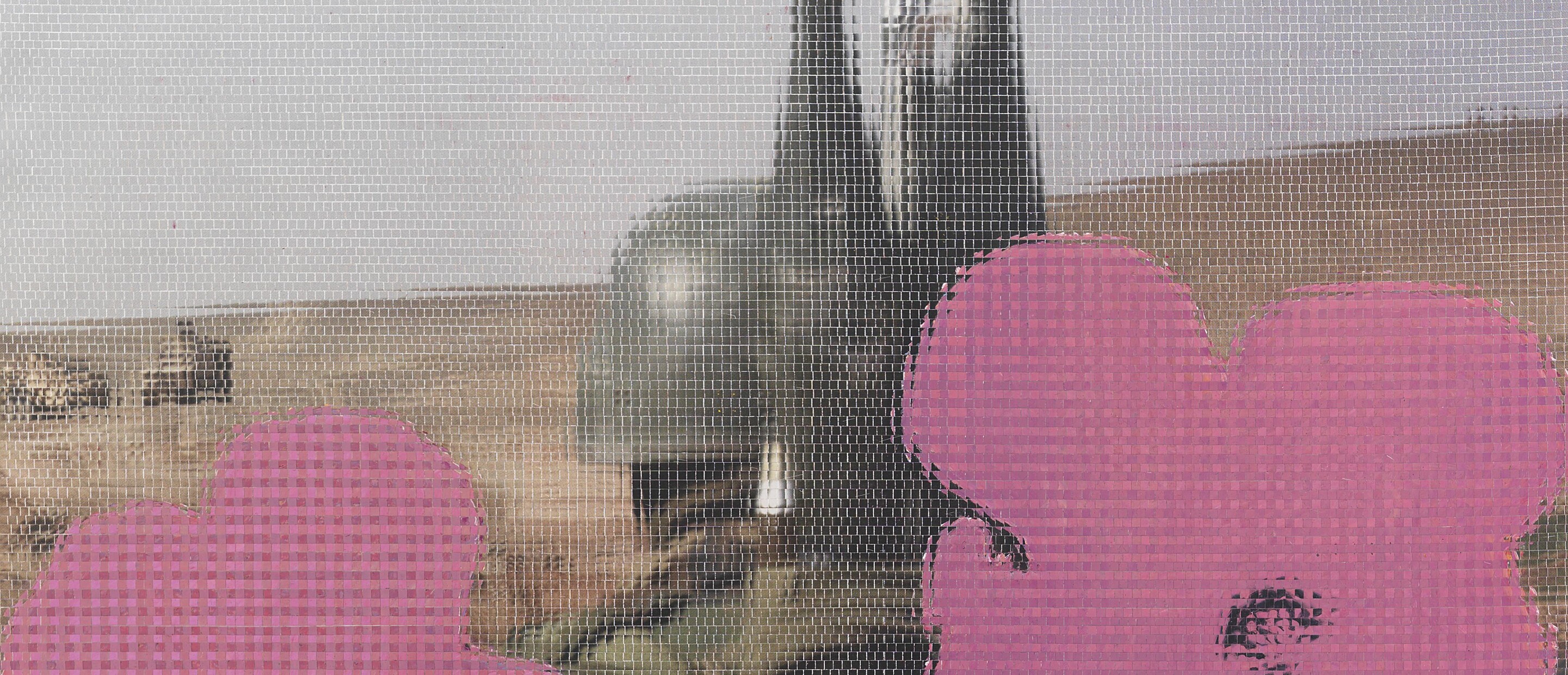
In the early 2000s, Sparagana started making artworks based on the materiality of magazine pages, whether by rephotographing fashion magazines that he had altered (by casting a shadow over the image, for example, or punching a hole through its center) or by making works out of magazines themselves. Such work was a response, often indirect, to the role of images following September 11, 2001, and the subsequent US–led wars. Representations of revolutionaries, terrorists, environmental disaster, and crowds swirled amidst fashion advertisements and comic book fantasies of white American masculinity. Sparagana’s works do not advocate for a political position on any of the events that their source images depict; rather, they aim to release or dislodge such images from their ideological homes.
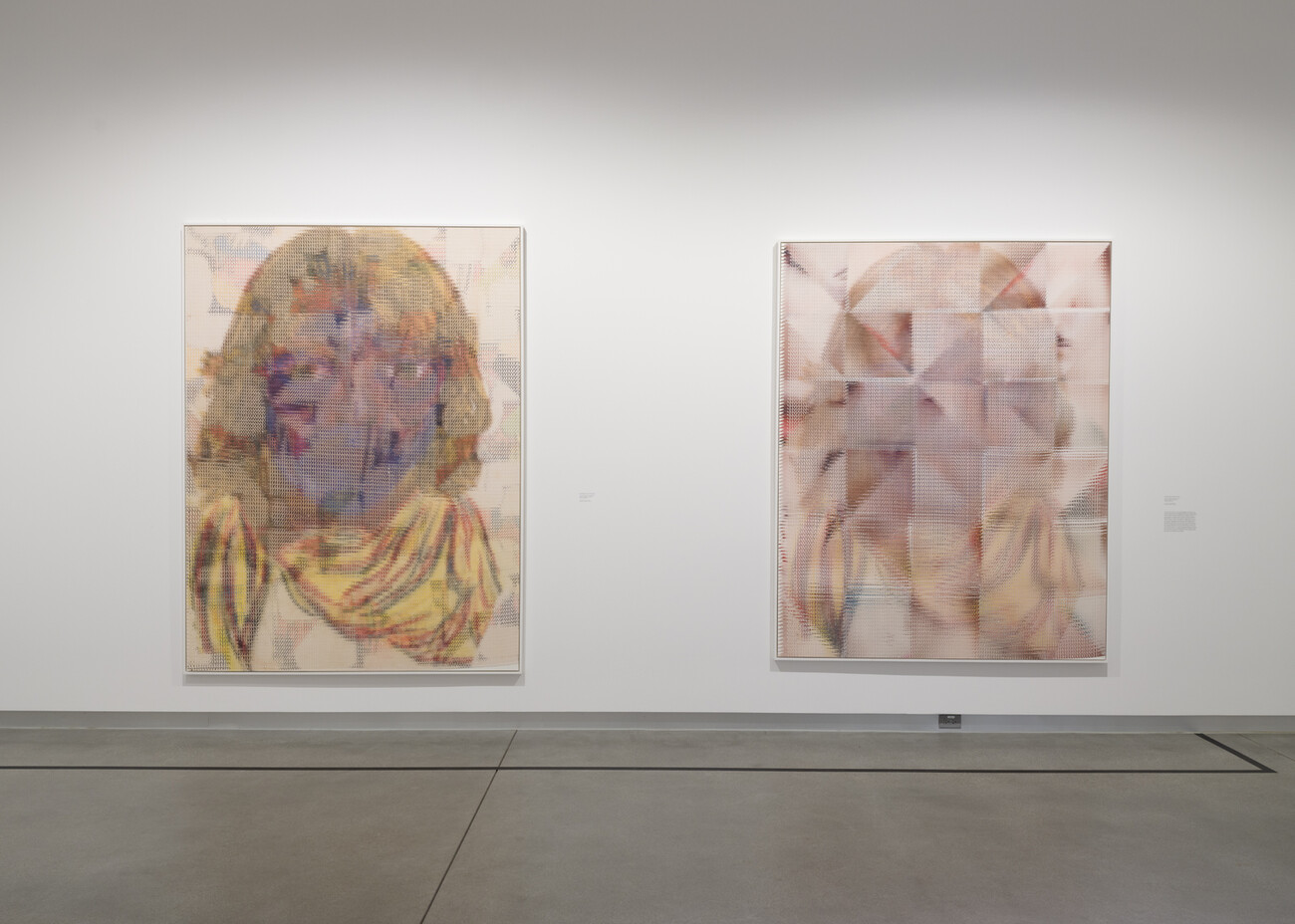
Sparagana eventually expanded his source material to include comic book pages, news images, and his own catalogue and book projects, developing an increasingly intricate practice of slicing and remixing the source material in various patterns. The intricate, “vibrating” visual fields of the resulting works challenge our faith in our own ability to achieve clear-sighted perspectives, especially within our contemporary media landscape. For this exhibition, Sparagana has also been commissioned to create a new artist’s book that returns to his earliest work with fatigued magazines, made in collaboration with designer Reto Geiser, with whom Sparagana collaborated on the prior book projects Reading Revolutionaries and Projectile.
Sparagana’s large body of work is full of paradoxes. His images appear like digital manipulations but are entirely fabricated by hand. They are made of media designed to be reproduced yet are themselves almost impossible to reproduce in photographs. This exhibition proposes that it is in these interference patterns that Sparagana’s larger project—to render mass media imagery vulnerable and unstable—becomes visible.
John Sparagana: Interference Patterns is organized by Solveig Nelson, PhD, curator of photography and new media, with Max Uehara, post-baccalaureate curatorial fellow. The project was developed in close dialogue with the artist. The Benton Museum of Art is grateful for the organizational support of Corbett vs. Dempsey and Sicardi Ayers Bacino as well as for the generosity of private lenders.
Funding support for this project has been provided by the Eva Cole and Clyde Matson Memorial Fund and the Janet Inskeep Benton ’79 Endowed Fund.