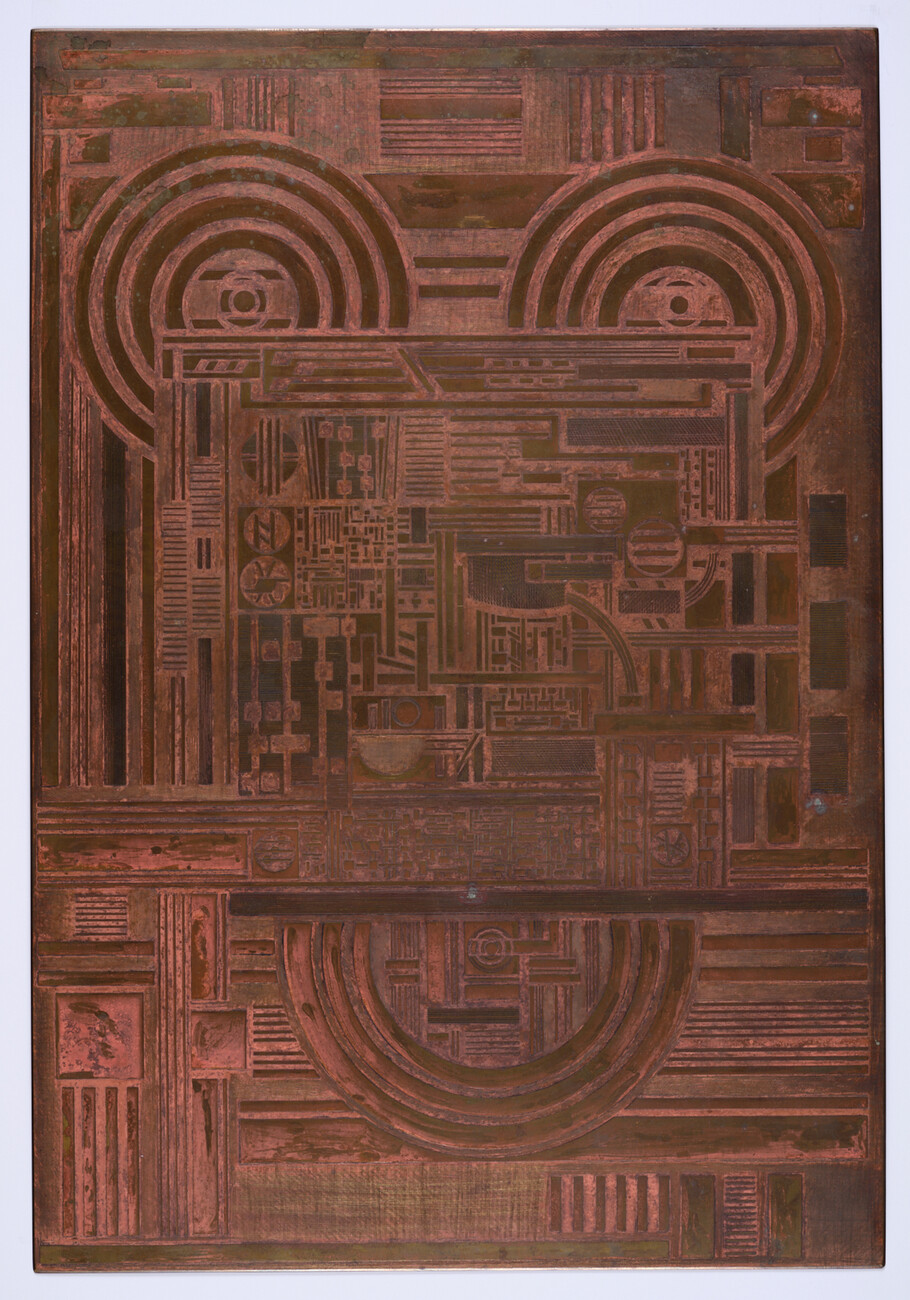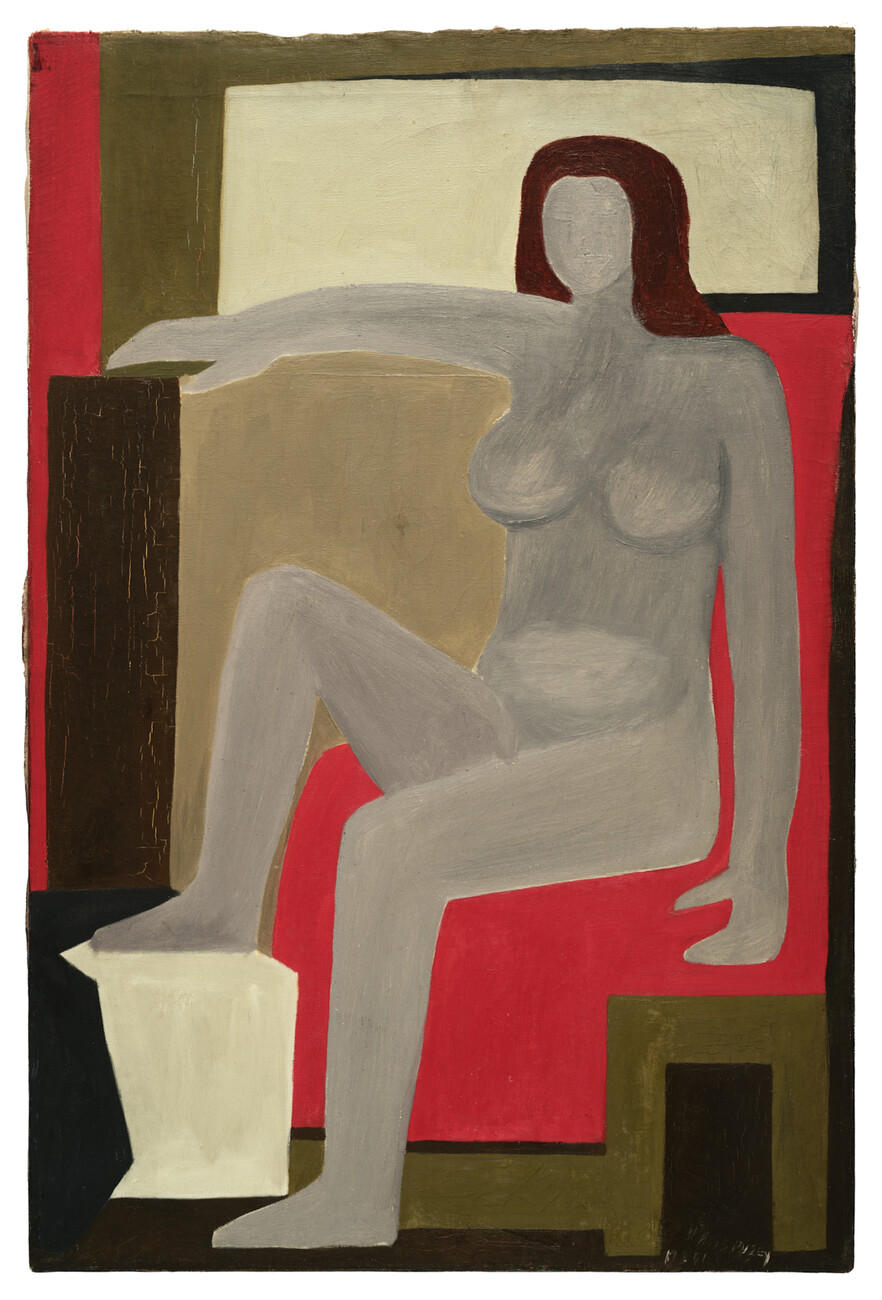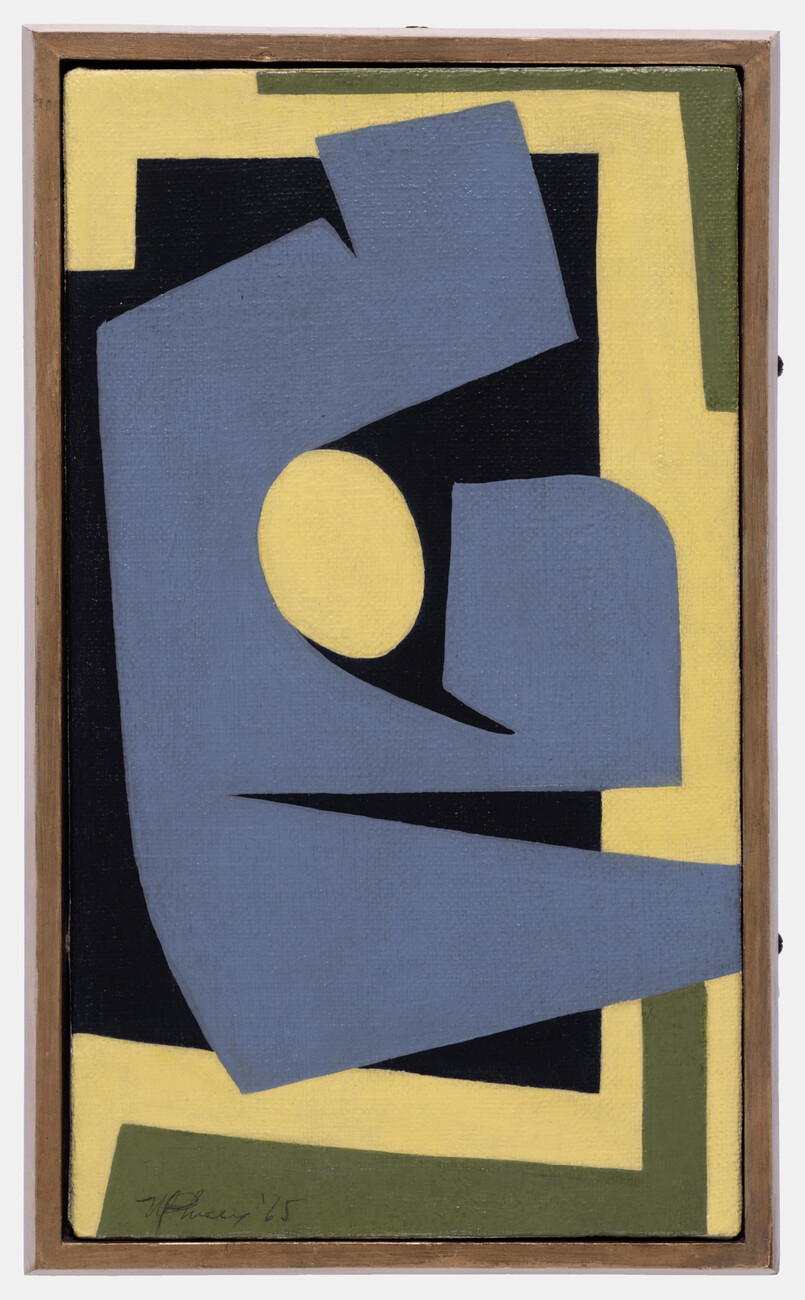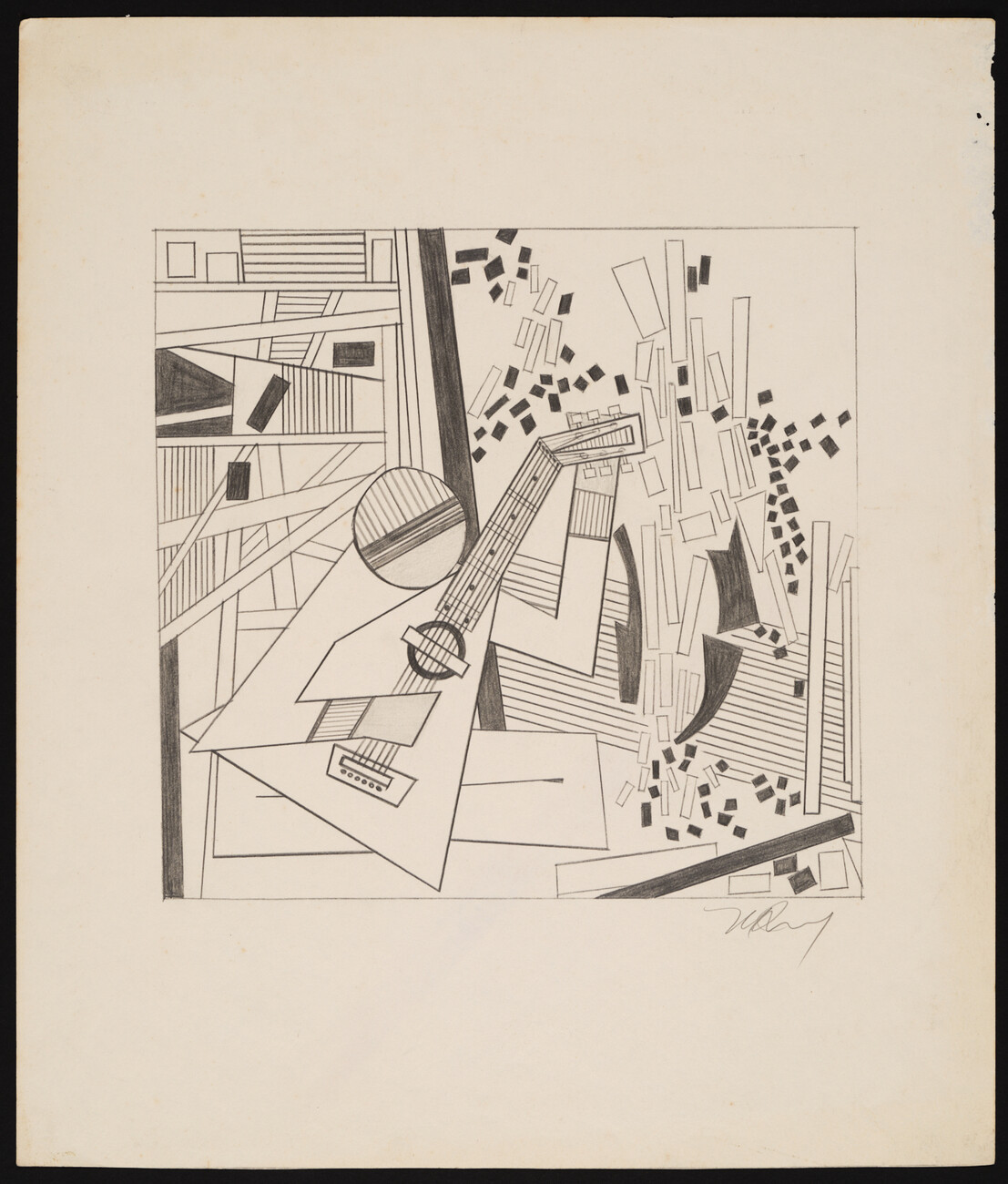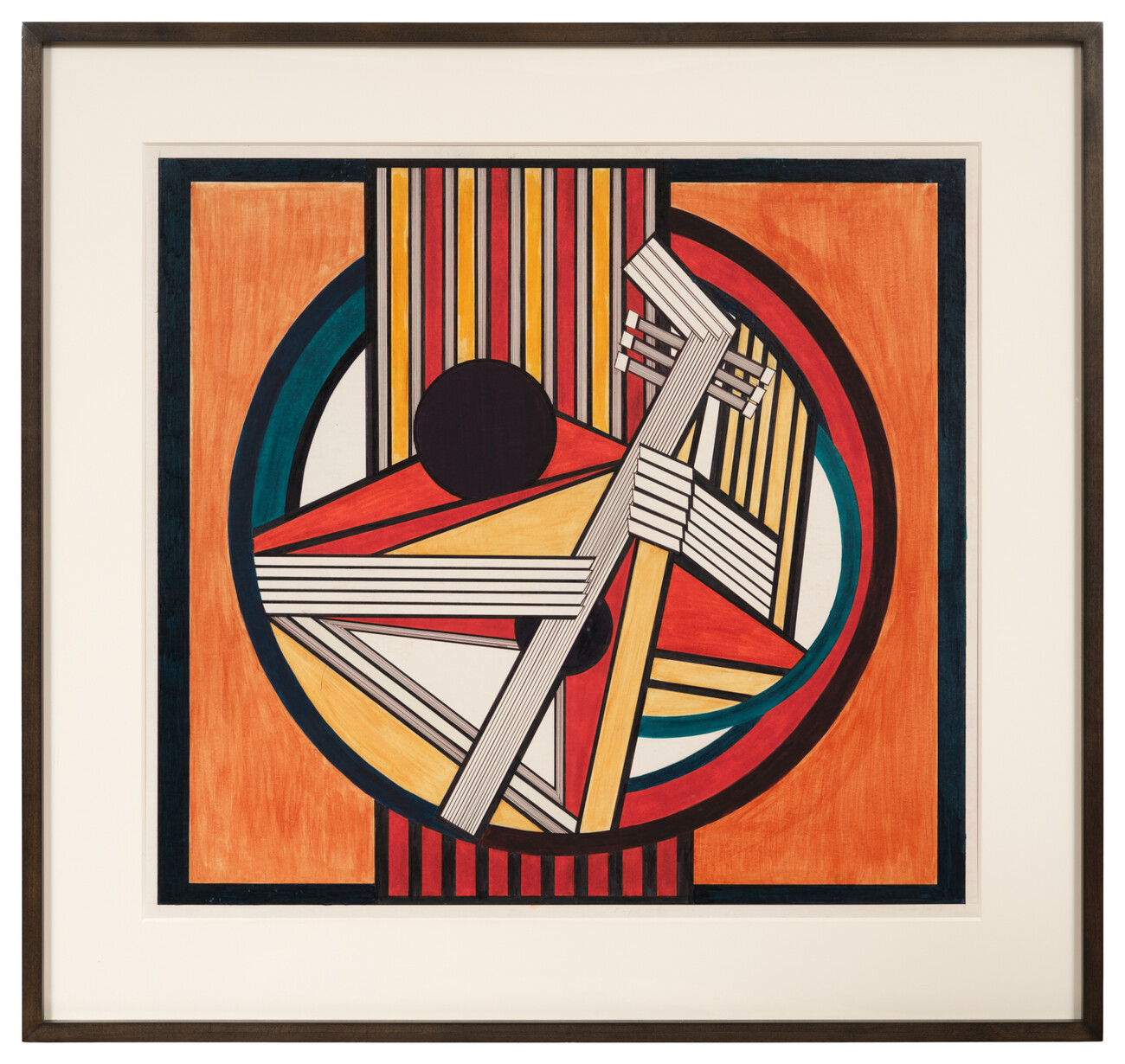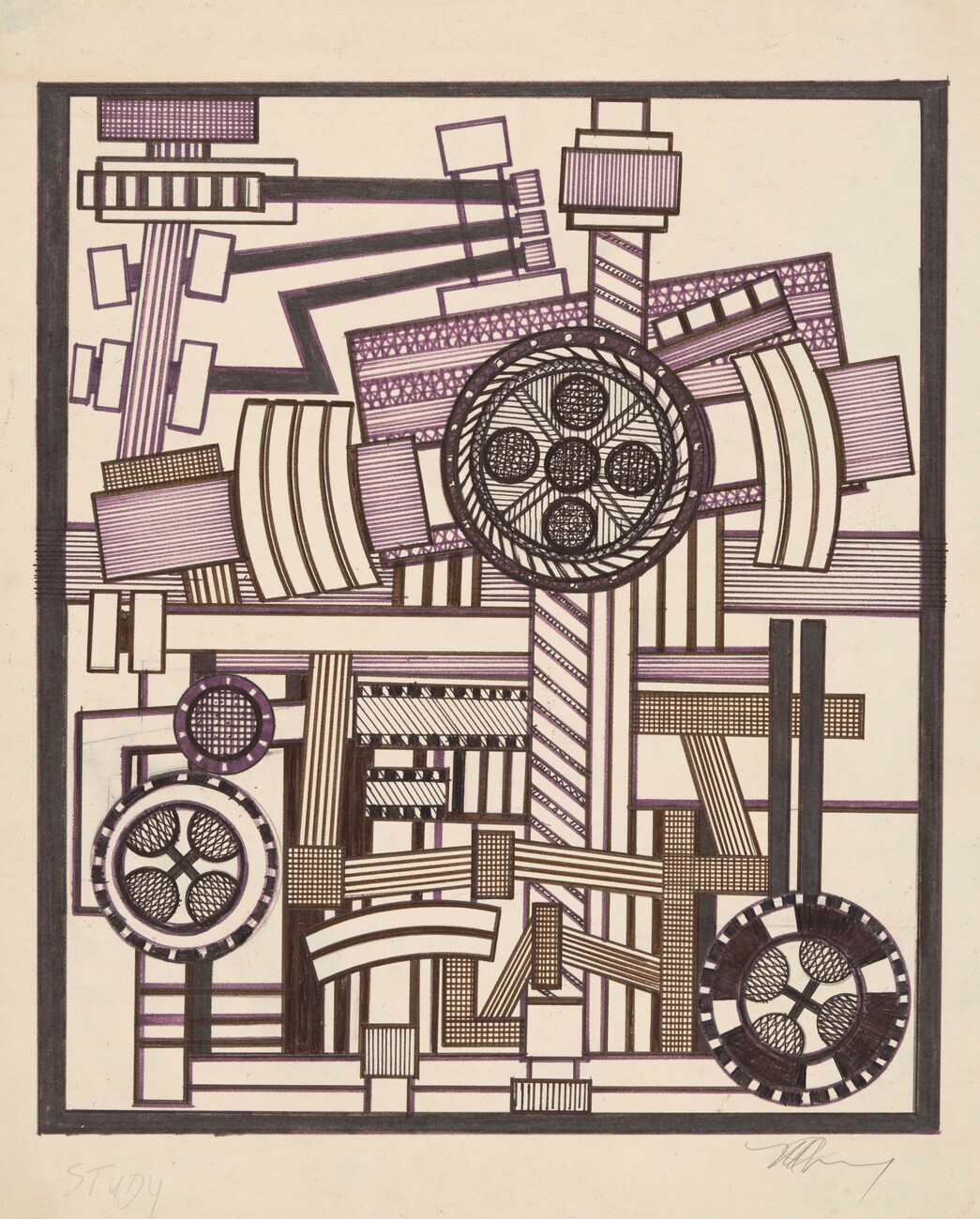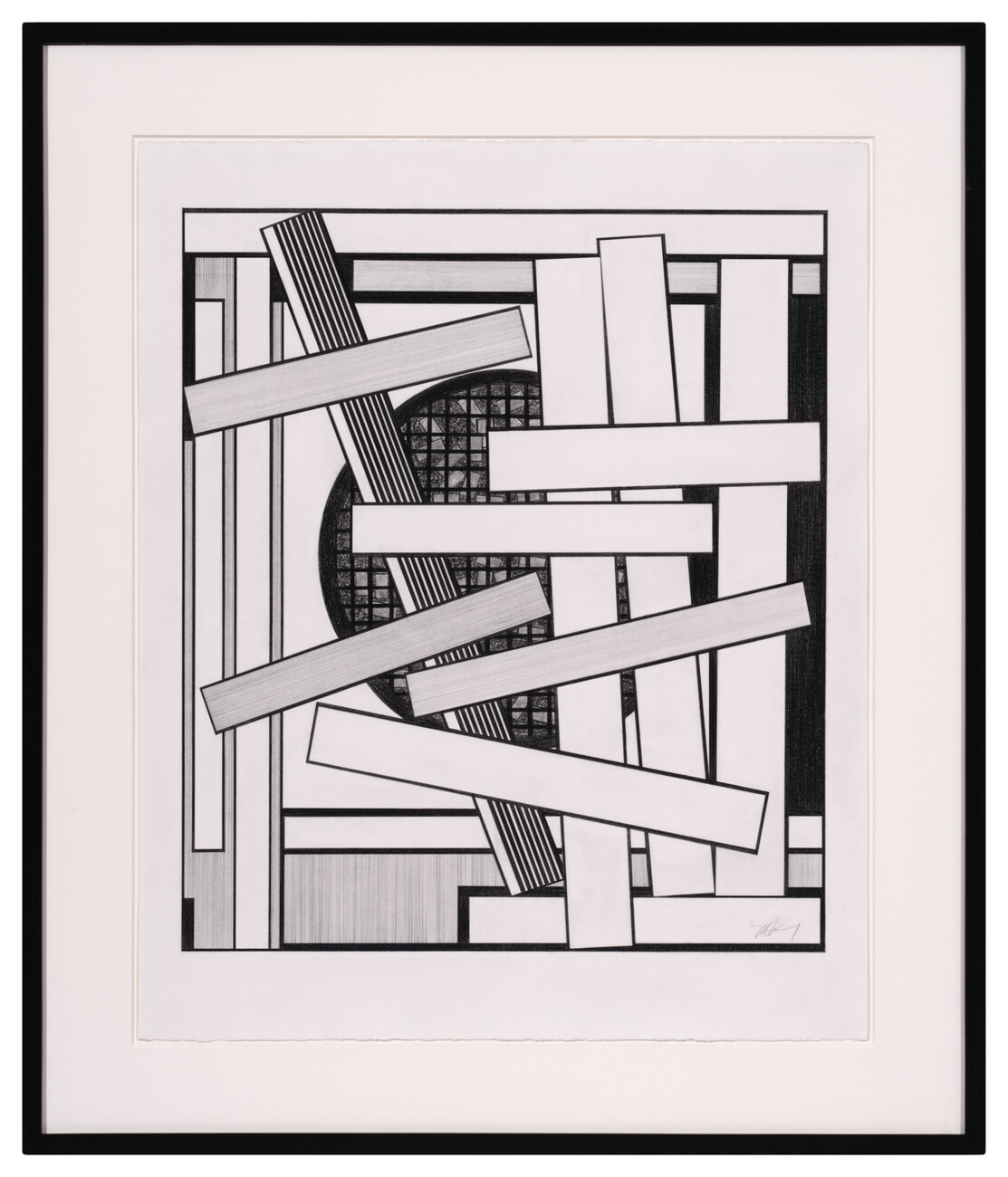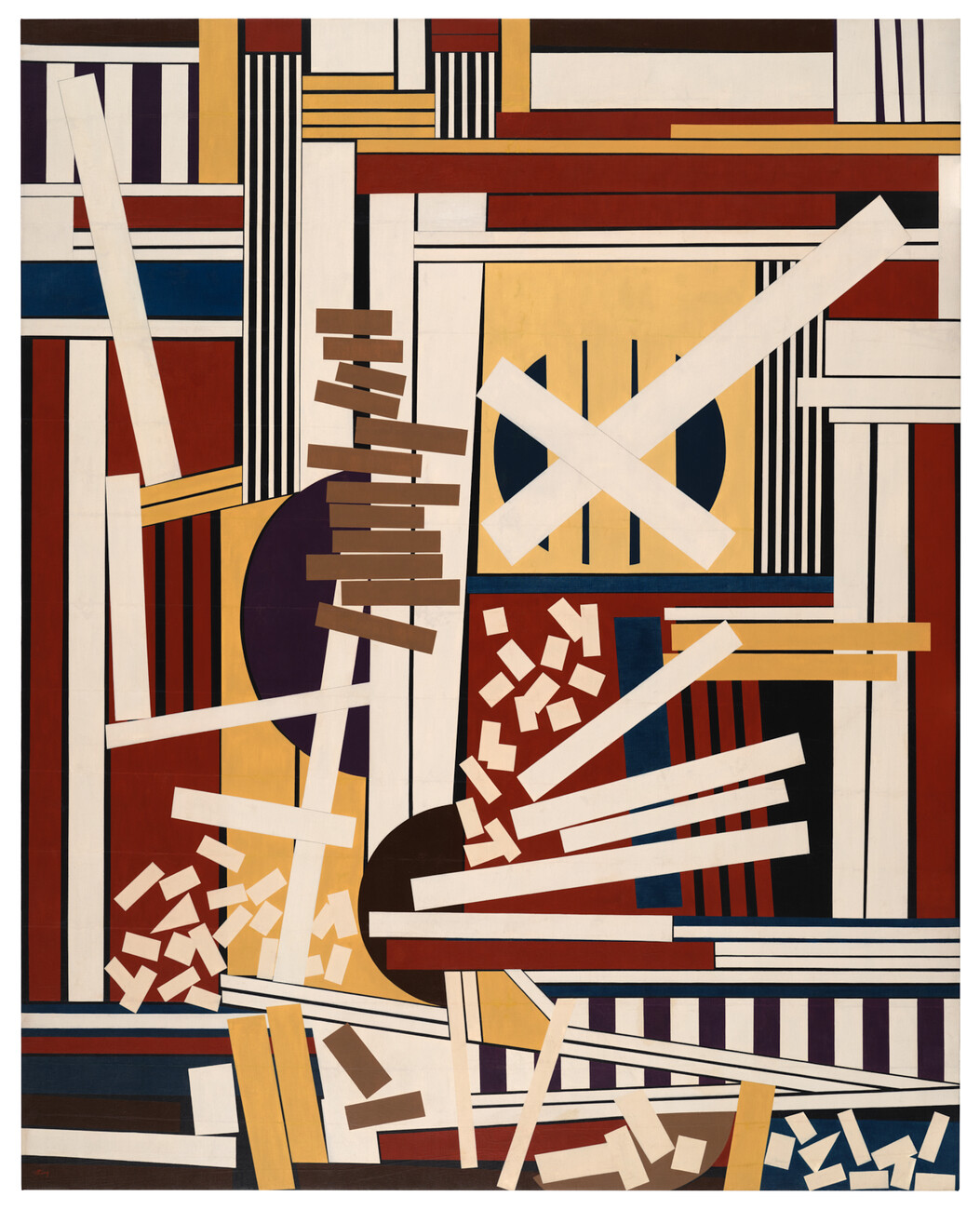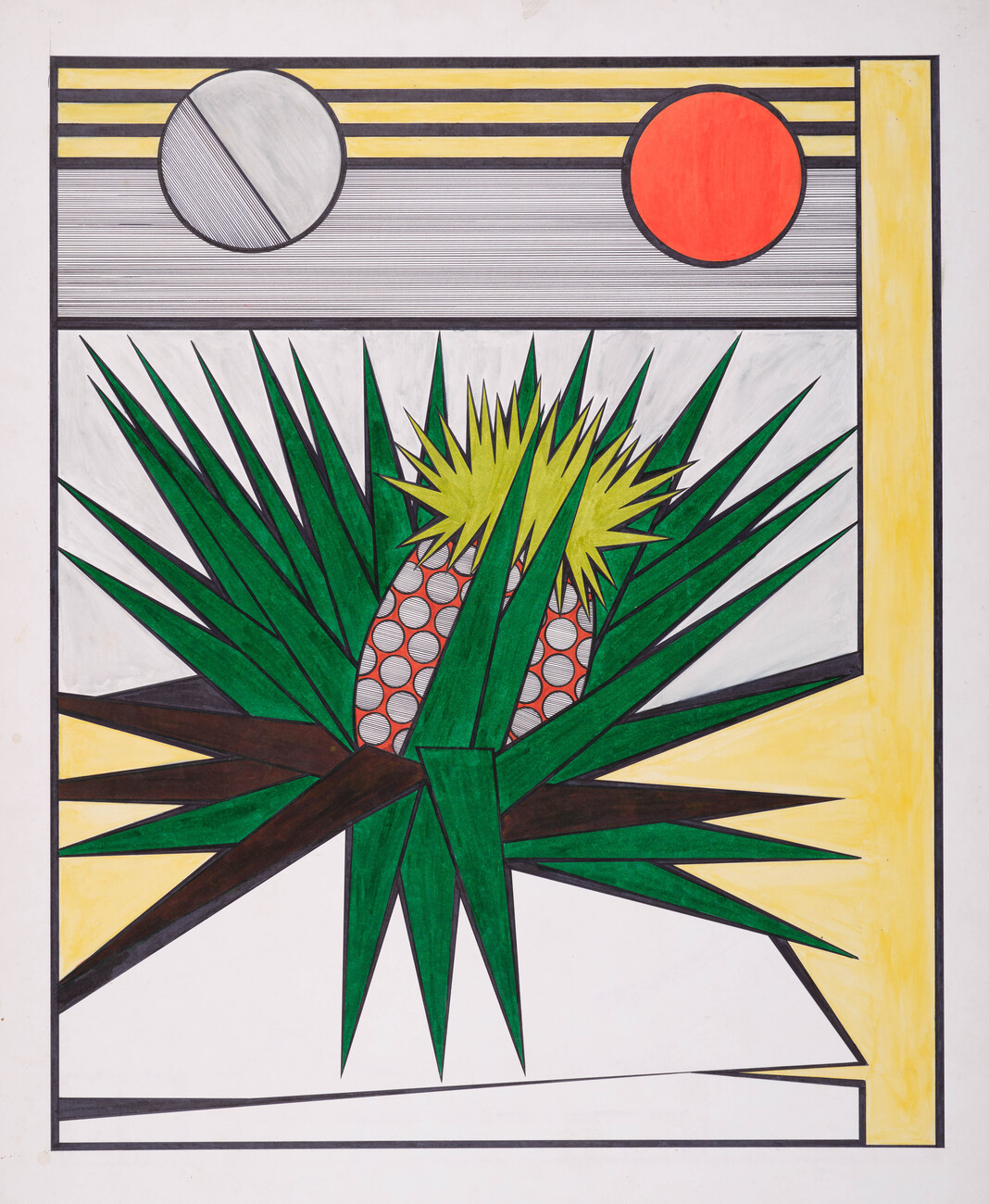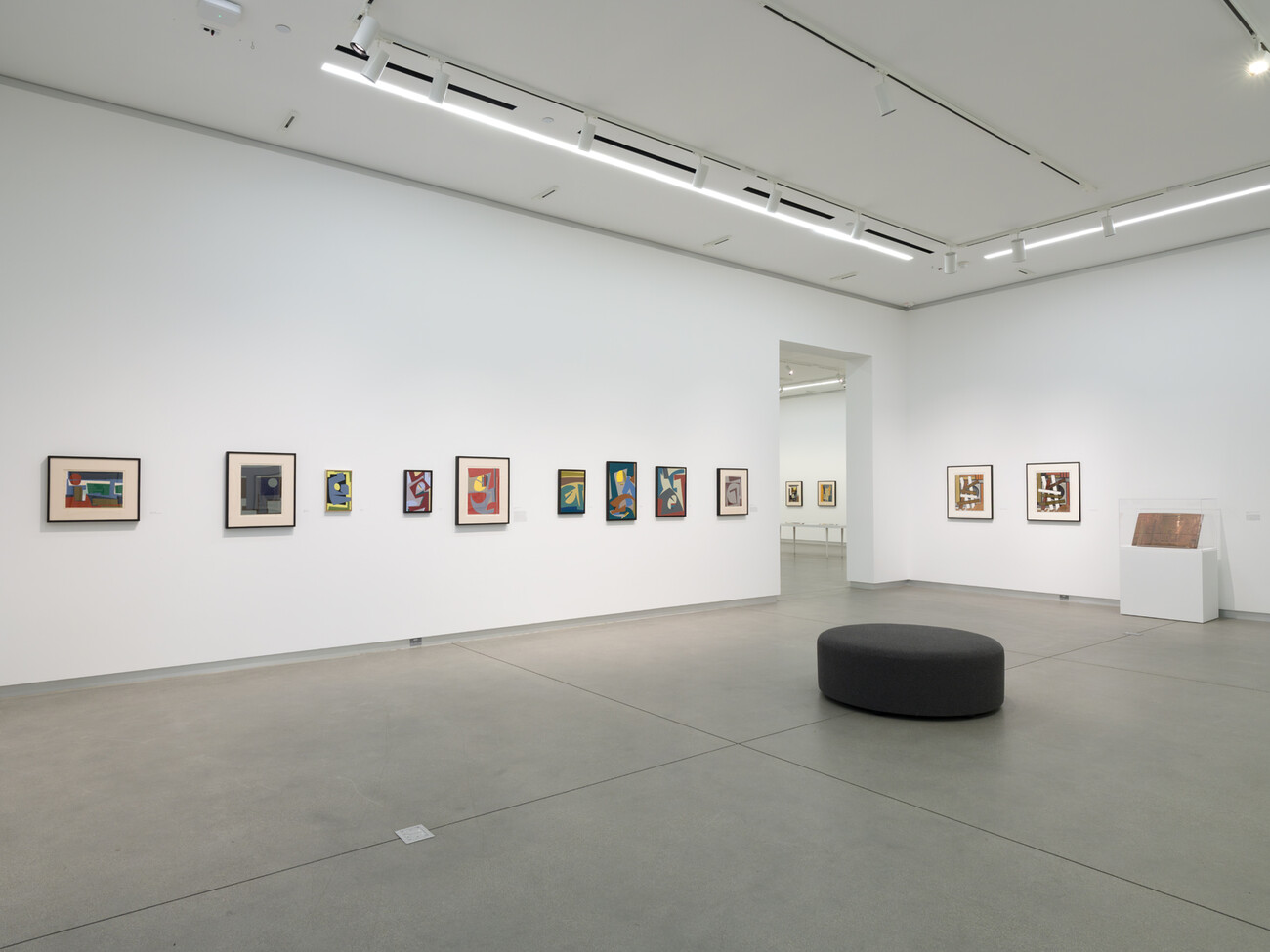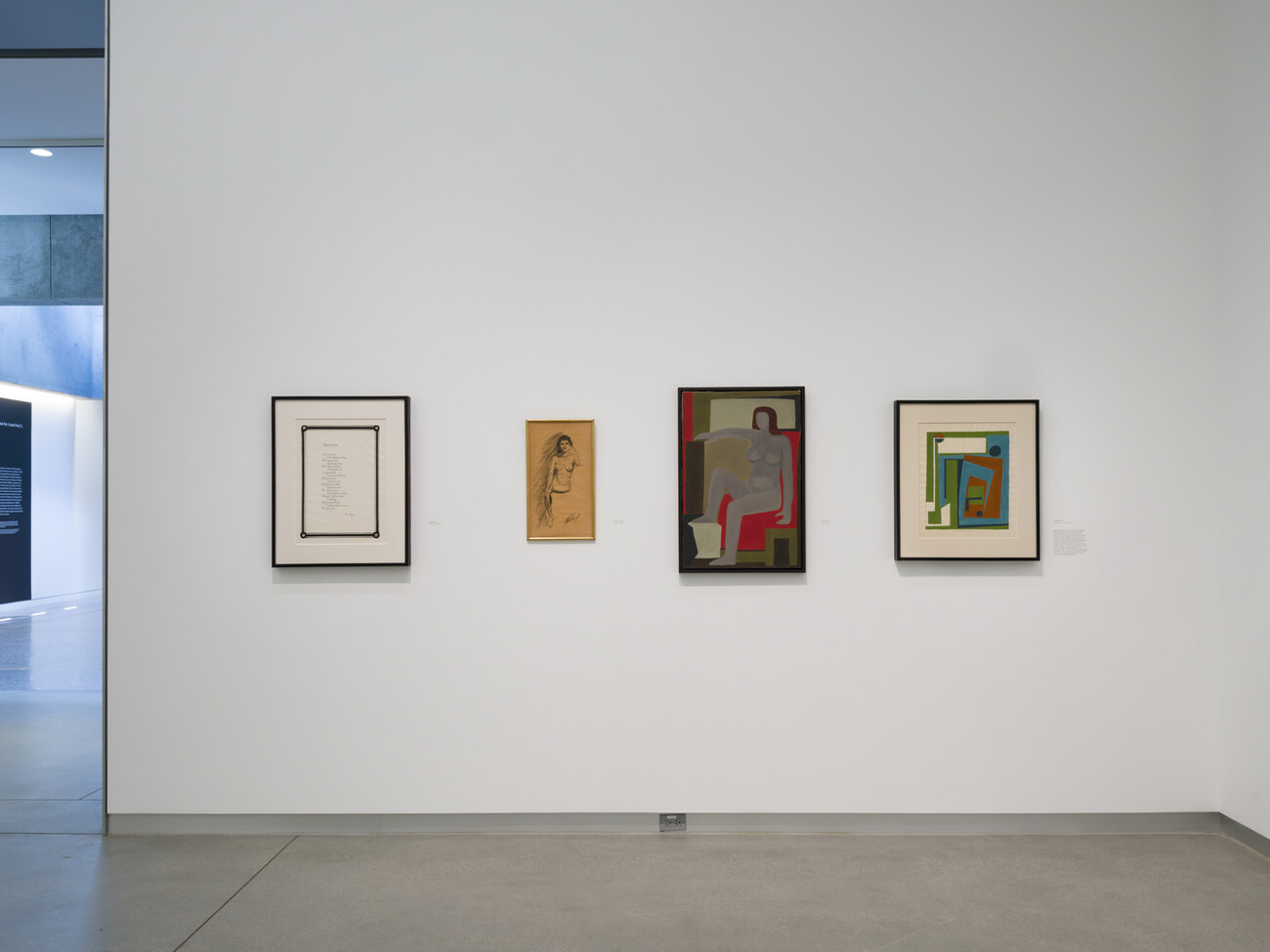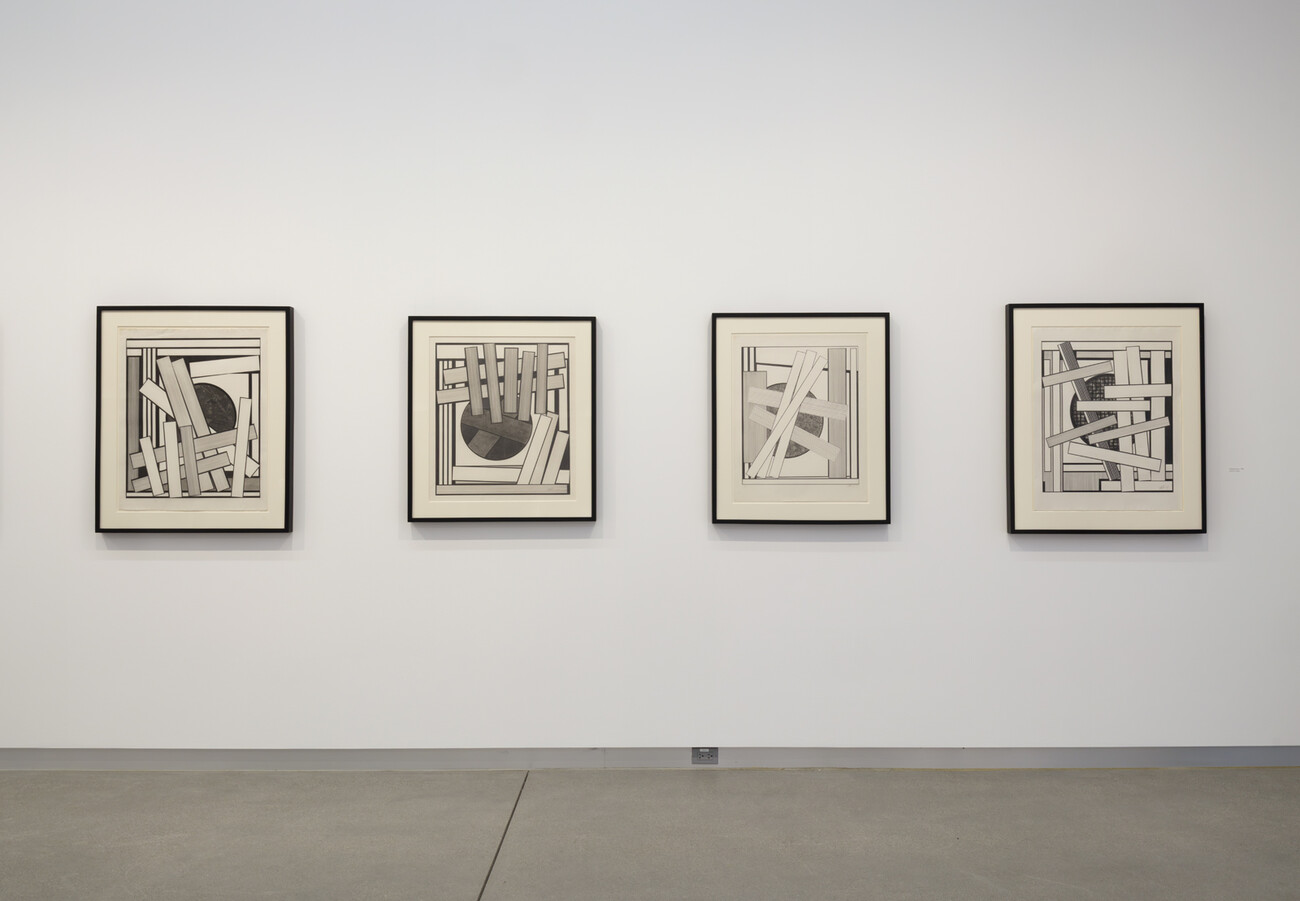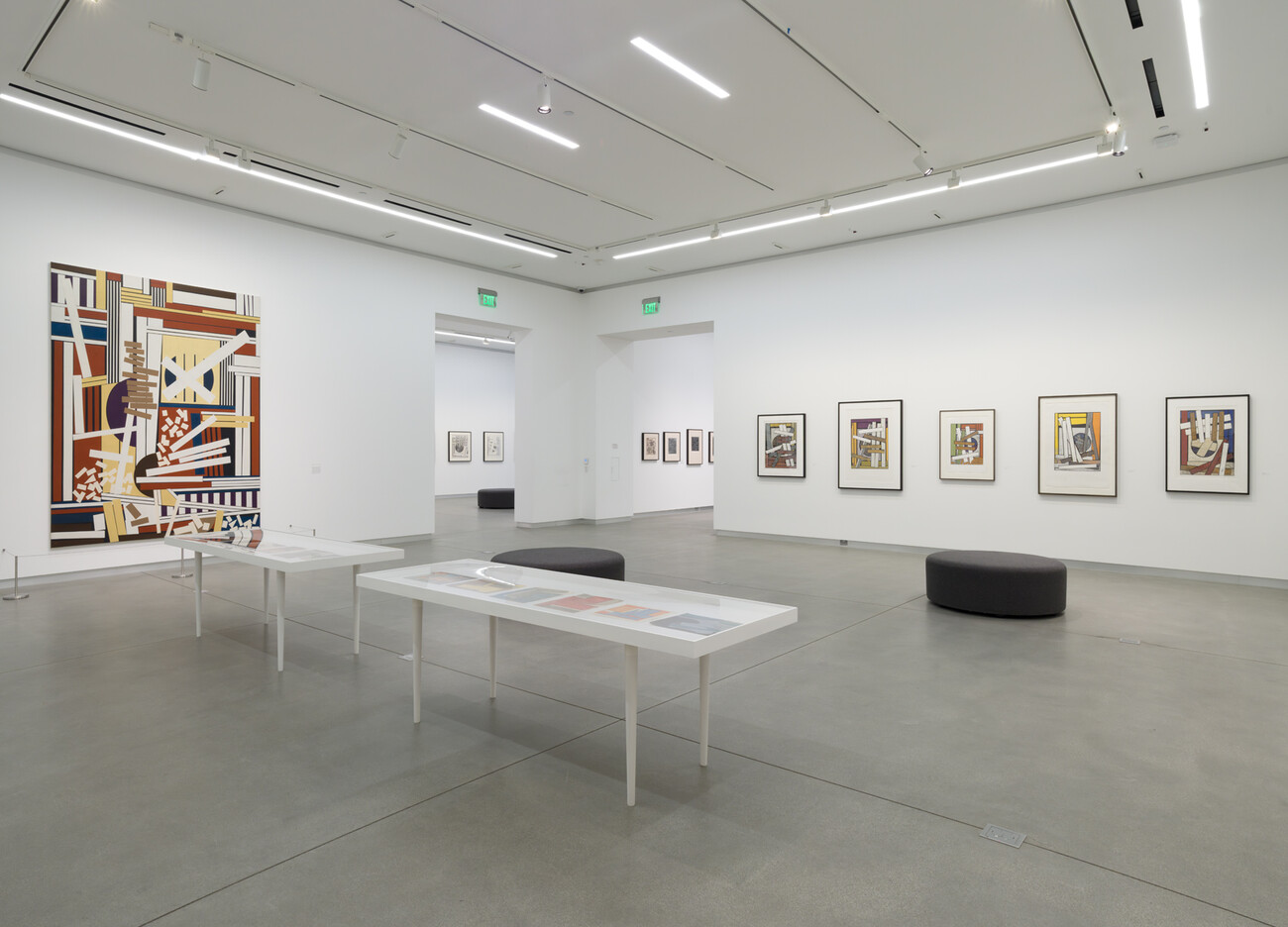
Mavis Pusey, Restless offers a comprehensive overview of the artist’s creative output and working methods as well as the first opportunity to view approximately 100 previously unseen works from Ian White’s significant holdings of Pusey’s oeuvre. This project demonstrates how the artist, who was born in Jamaica and shaped by her life and work in New York City, ceaselessly investigated specific visual motifs and reveals the intricacies of her inventive practice.
A painter, printmaker, designer, educator, and draftsperson, Pusey (1928–2019) developed a style of geometric abstraction characterized by syncopated linear compositions and multi-layered explorations of color. After studying fashion design in New York in the late 1950s, Pusey lived in London and Paris in the mid- to late 1960s before moving to the Chelsea neighborhood in lower Manhattan, where she contributed to the vibrant intellectual and artistic life of New York for two decades. Working as an educator, exhibiting artist, and fashion designer, Pusey also collaborated with print workshops such as the Robert Blackburn Printmaking Workshop and Benjamin Wigfall’s Communications Village. The rising cost of living in New York and ongoing changes resulted in Pusey’s move to Virginia in 1988, where she lived for her remaining years, affecting her visibility as a practicing artist.
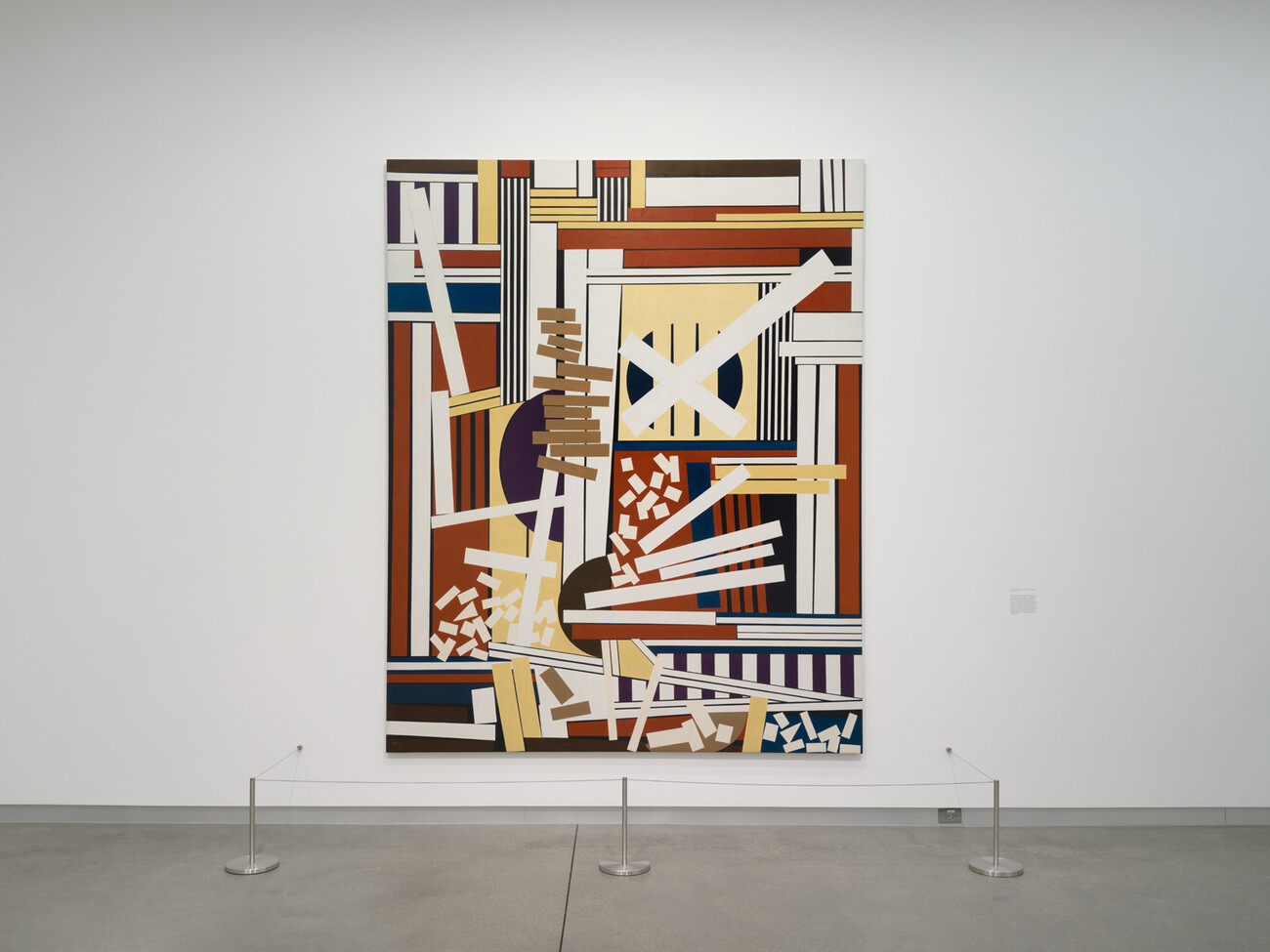
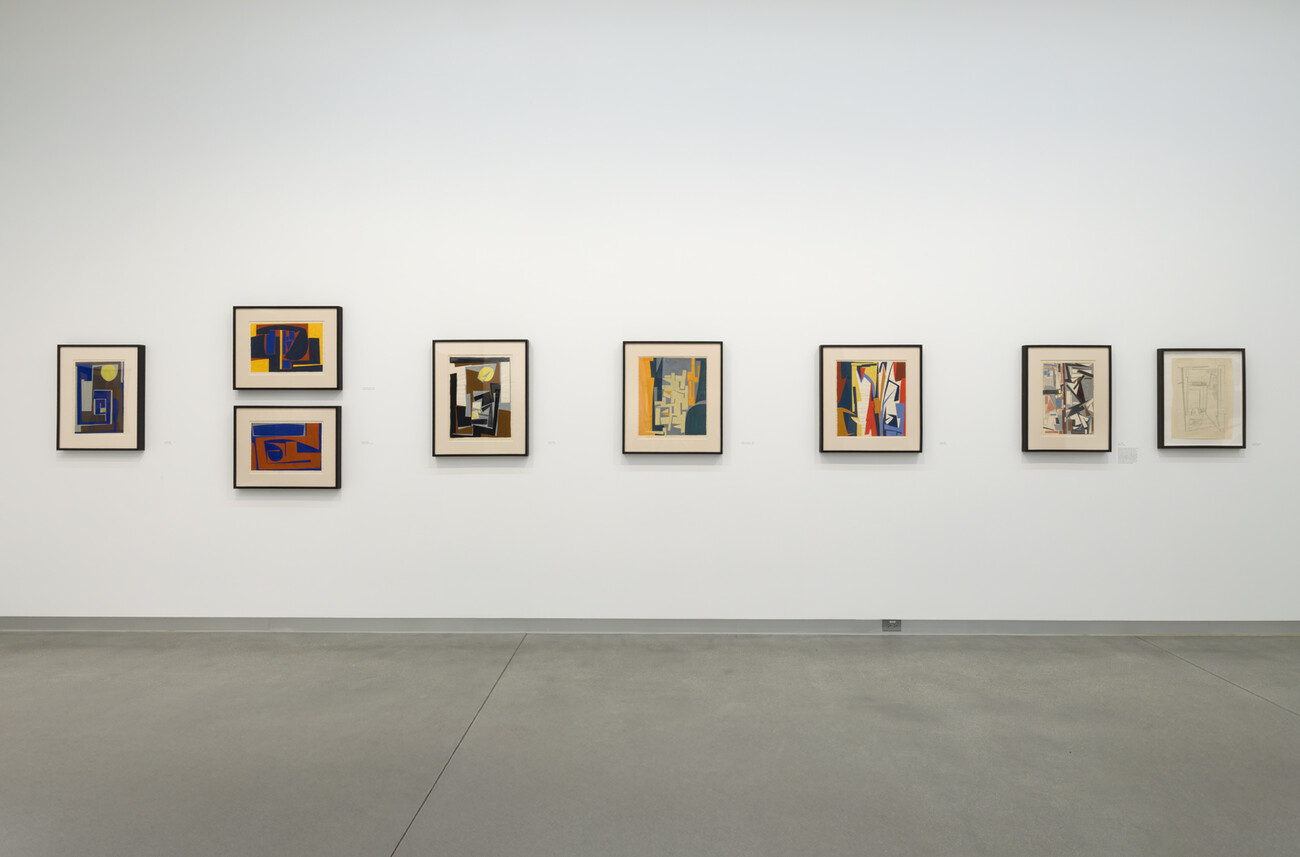
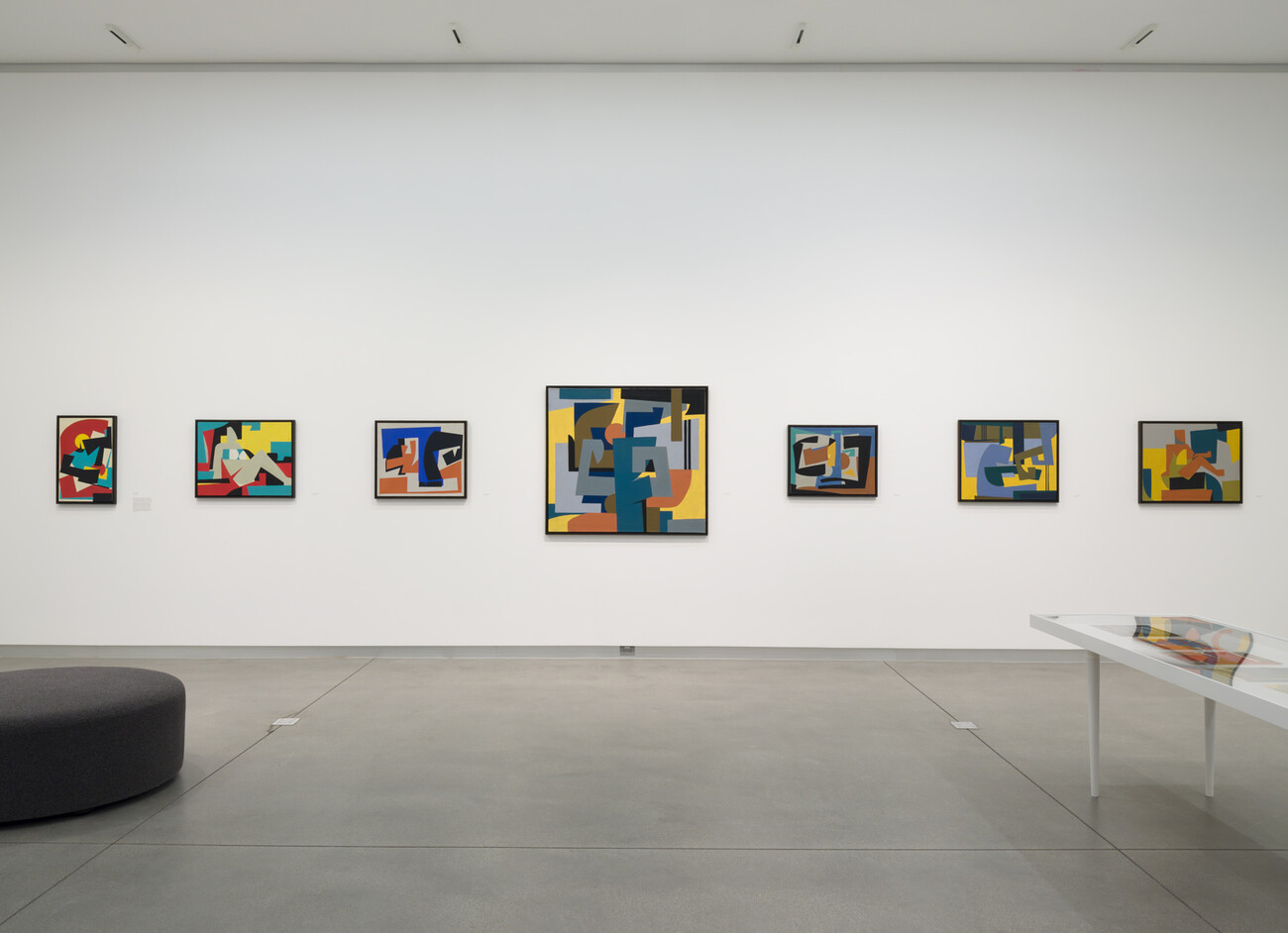
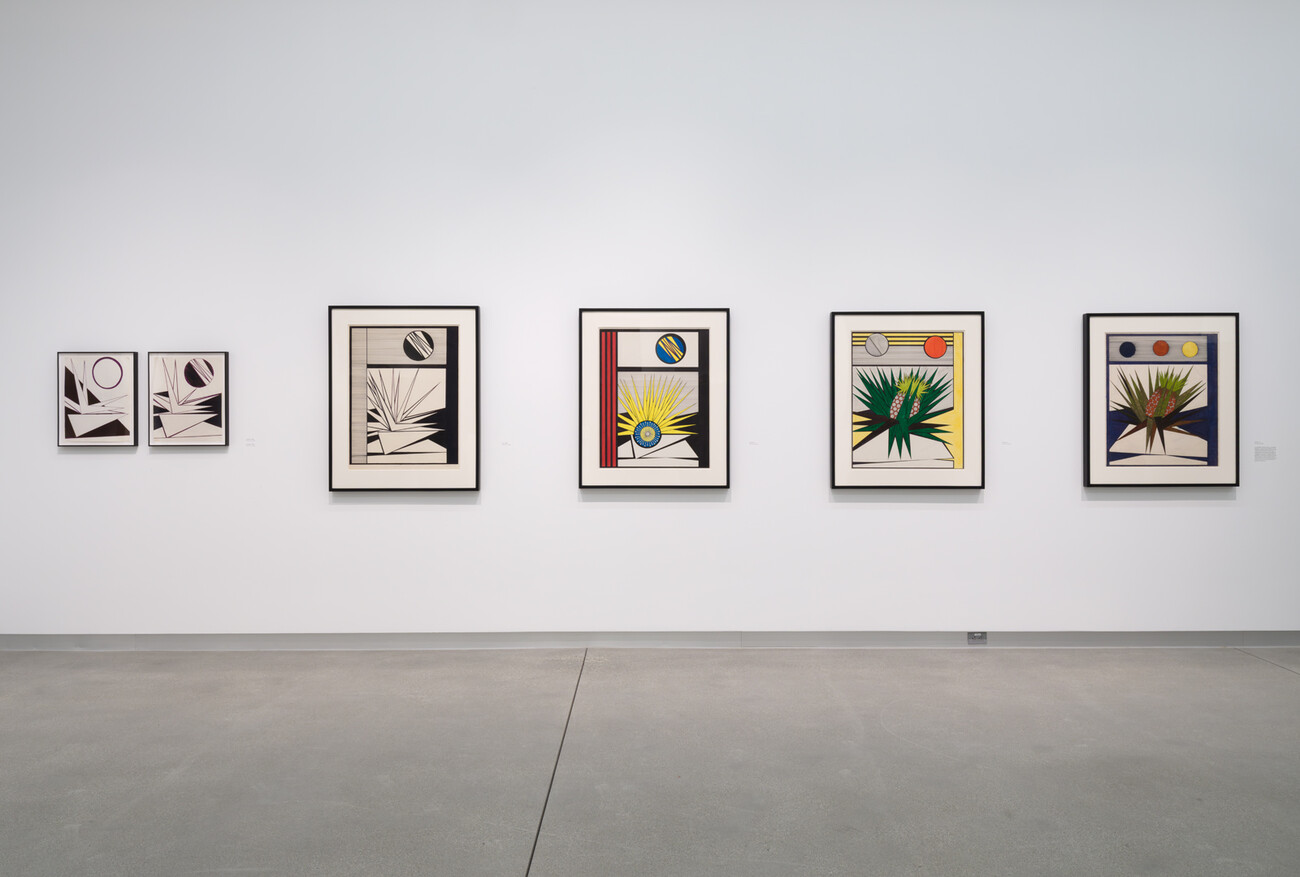
The exhibition begins with an introduction to Pusey’s early works and her embrace of an abstract visual language. Further galleries represent the artist’s design processes in various printmaking disciplines by featuring printing matrices alongside preliminary drawings and related editioned prints. The exhibition culminates with an examination of the artist’s work as a painter in formats of varying scale and diverse color palettes.
Building on recent renewed interest in Pusey’s life and work, Mavis Pusey, Restless includes paintings, drawings, watercolors, gouaches, and editioned prints in several media—all of which allows viewers deep into her creative process.
The exhibition is organized by guest curator Paulina Alvarez and will be accompanied by a full-color scholarly publication.
Support for this exhibition has been provided by the Eva Cole and Clyde Matson Memorial Fund as well as the Janet Inskeep Benton ’79 Endowed Fund.
The exhibition catalogue has been generously supported by a special allocation from Pomona College President G. Gabrielle Starr as well as important additional funding provided by the Rembrandt Club of Pomona College and Claremont.
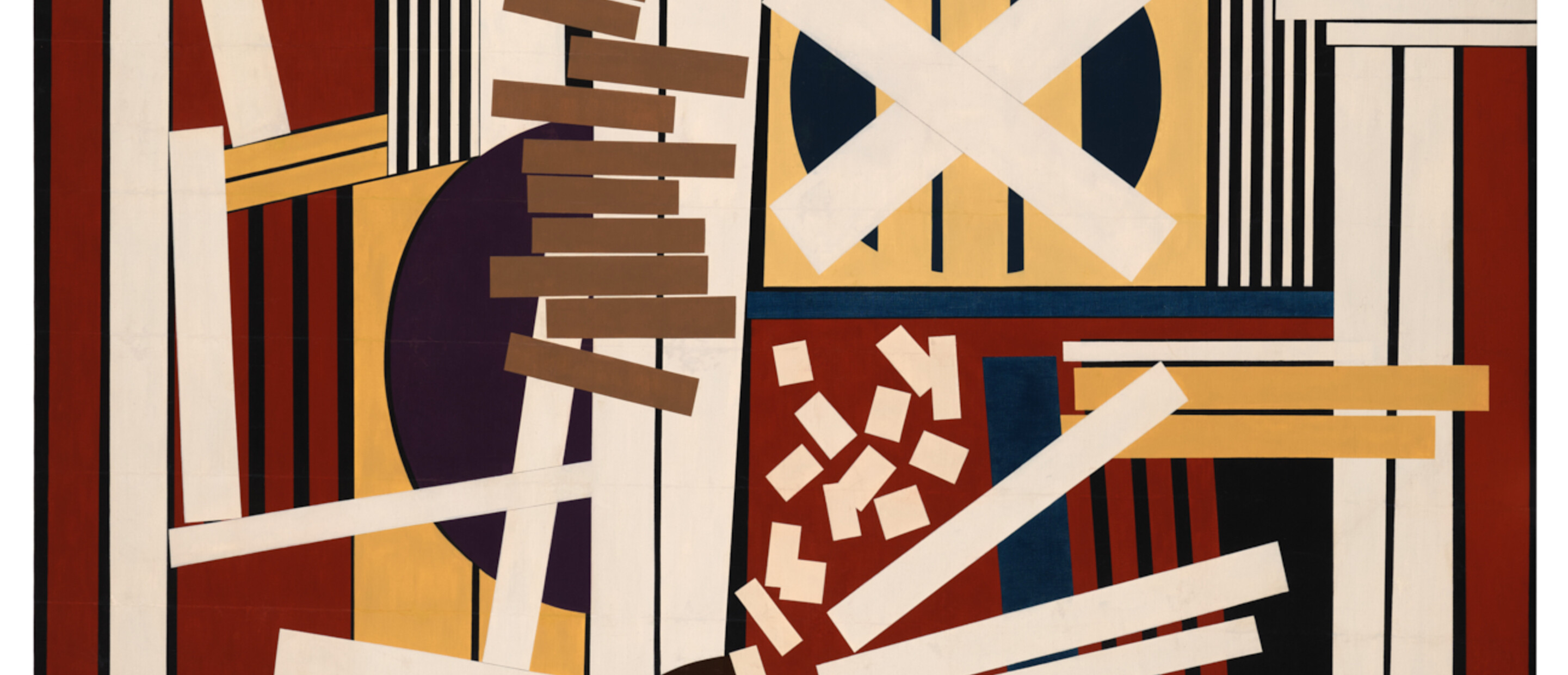
Header image: Mavis Pusey, Broken Construction (detail), c. mid 1970/late 1980s. Oil on canvas, 96 x 120 in. (243.8 x 304.8 cm). Collection of Ian White © 2026 Estate of Mavis Pusey / Artists Rights Society (ARS), New York