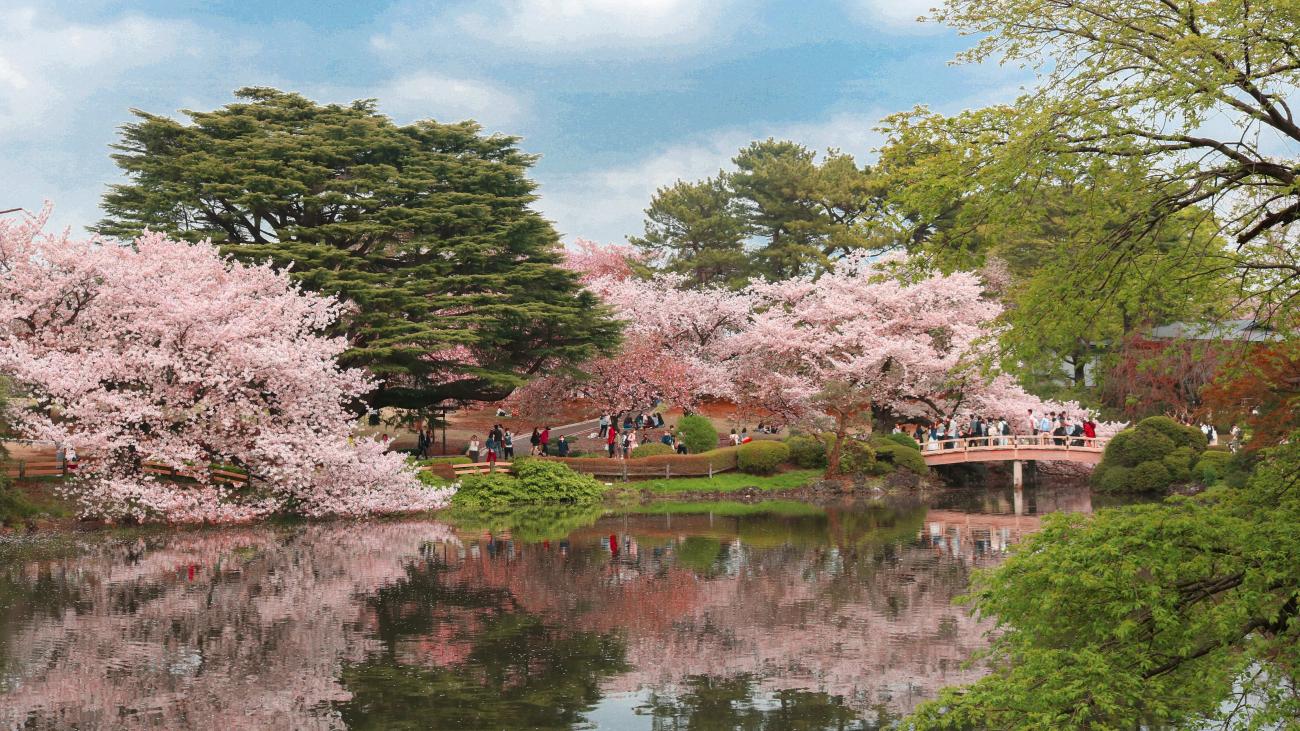
Shinjuku Gyoen Garden
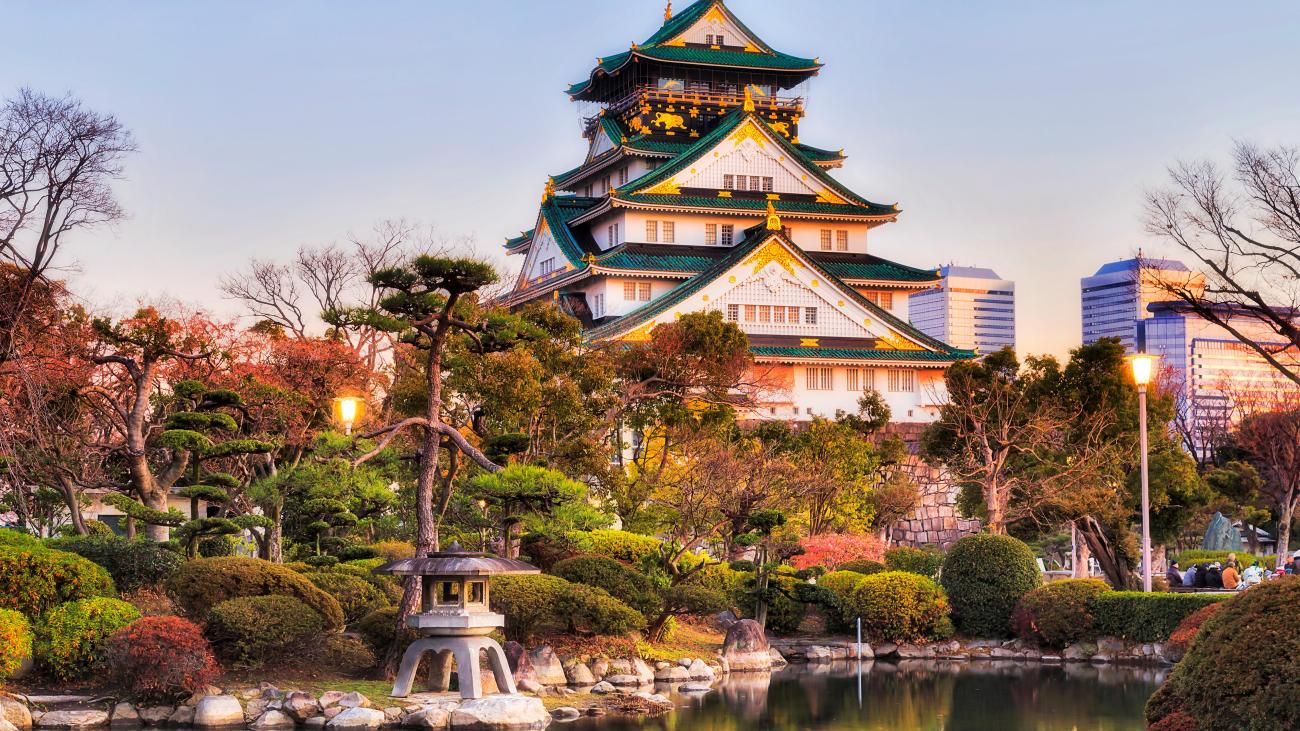
Osaka Castle
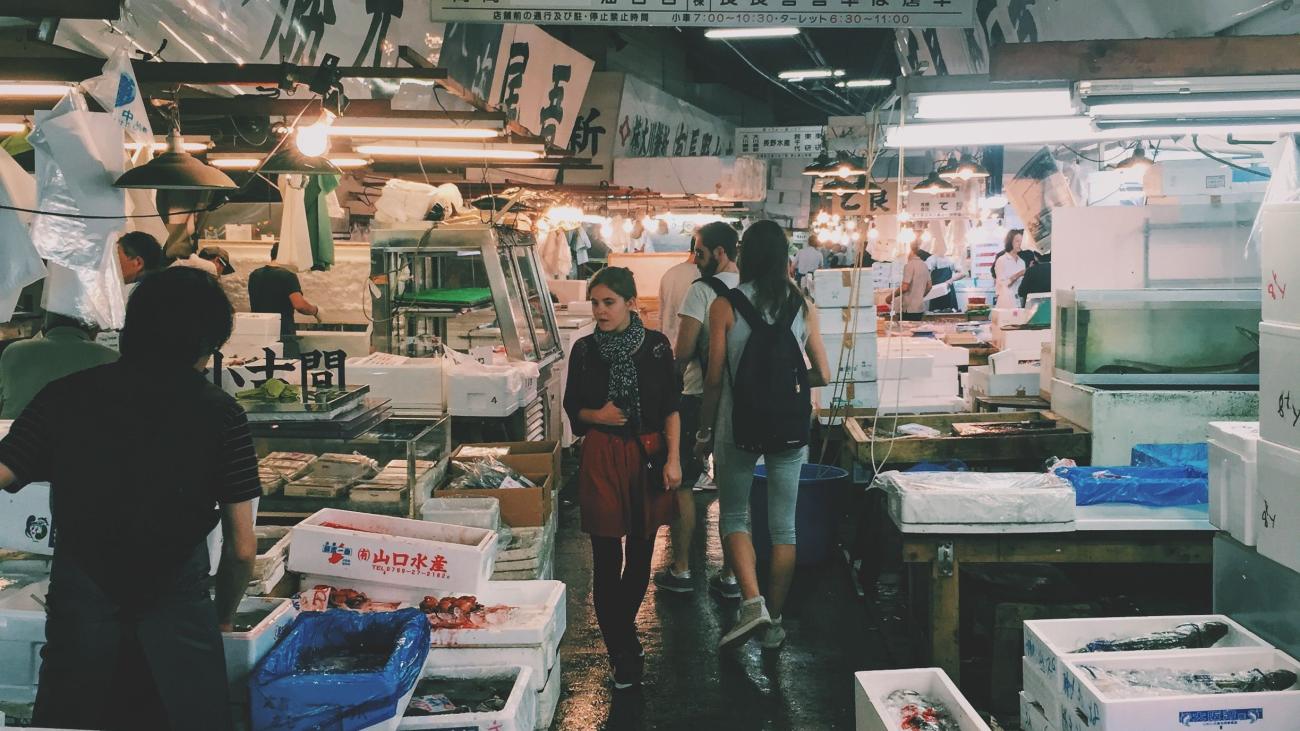
Tsukiji Fish Market
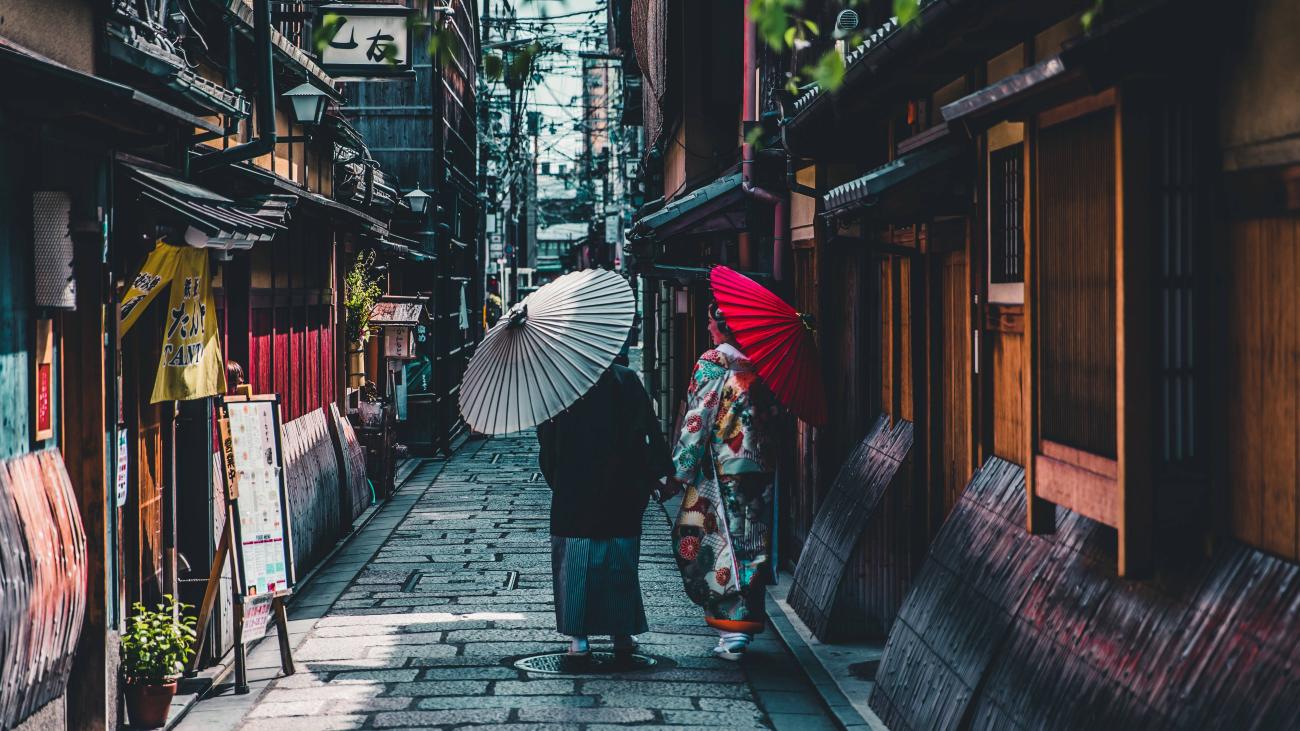
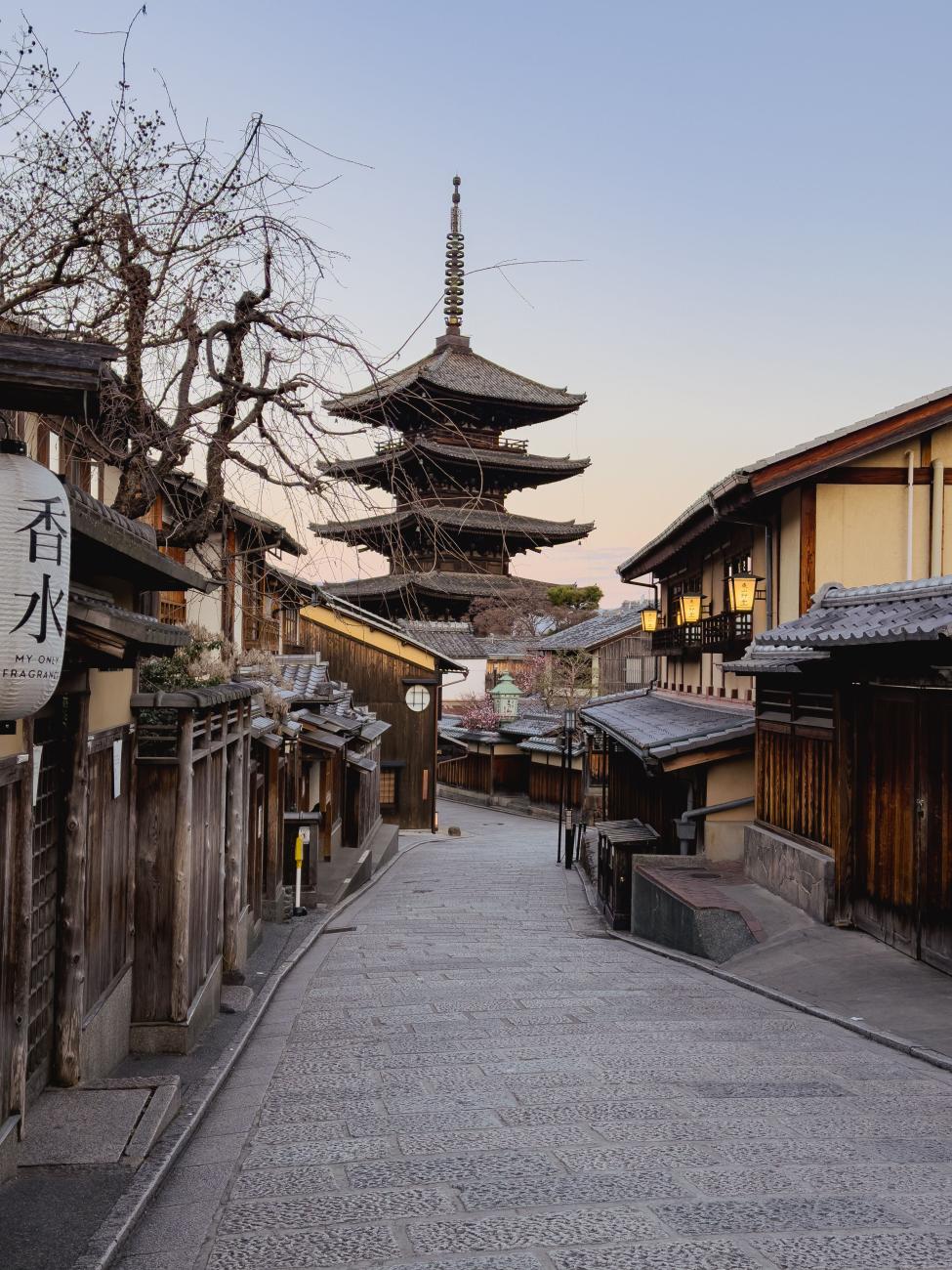
Streets of Gion
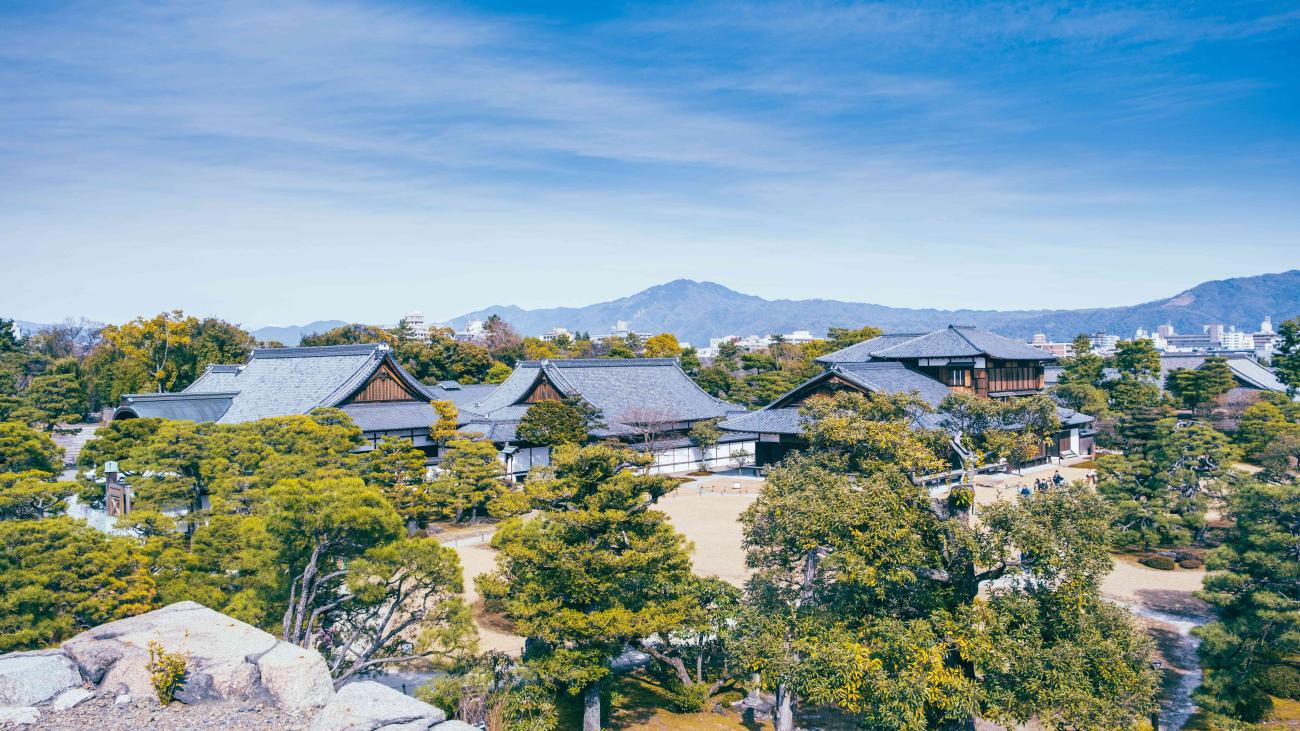
Nijo Castle
March 7–15, 2027
Pomona College Alumni Association Presents:
Japan with Professor Samuel H. Yamashita
Price per person: $7,980
Single Supplement: $1,425
From Osaka’s historic castle and lively streets to Kyoto’s tranquil gardens and centuries-old traditions, discover the many layers of Japan’s rich cultural heritage. Experience the country through tea ceremonies, traditional cuisine, sake, handcrafted sweets and intimate walks through historic neighborhoods, before traveling by Shinkansen to Tokyo. From serene shrines and gardens to the vibrant streets of Ginza, Harajuku and Shibuya, this journey reveals a Japan where timeless tradition and modern life exist side by side.
See full itinerary below.
Dear Pomona Sagehens, Families and Friends,
It is truly a special pleasure to be hosting an alumni trip to Japan focused on food, one of my enduring passions and the subject of my current research. During the last two decades, I have taught two popular seminars on food at the College — “Food, Power & Culture in Asia and the Pacific” and “Food and the Environment in Asia and the Pacific” — and have incorporated Japanese culinary history into my other classes. I also have lectured on the history of Japanese cuisine — including the origins of set meals, the evolution of ramen, and culinary traditions such as kaiseki — to scholarly and general audiences throughout the United States and Europe.
The central theme of the alumni trip is the history and evolution of restaurants in Japan, and lunch each day will feature a signature dish served at these eateries, beginning with oshizushi (pressed sushi), chazuke (green tea over rice) and shōjin ryōri (Buddhist vegetarian cuisine), continuing with sushi and soba noodles, and concluding with tonkatsu. Each day will begin with a short lecture on the broader context of the dish of the day. Rather than treating meals simply as opportunities to sample famous dishes, we will use them as windows into the political, economic, and cultural history of Japan.
Since nearly everyone on the trip will have favorite Japanese dishes or want to explore new ones, each evening you will be on your own for dinner. I will provide a list of over sixty carefully selected restaurants, representing eighteen different genres, at two different price points. The choices include gyoza, kaiseki, shabu shabu, sukiyaki, sushi, tempura, tofu, tonkatsu, unagi (eel), vegetarian, and yakitori, as well as several outstanding French, Italian and Chinese restaurants that are among my favorites.
My fascination with Japanese food began long before I became a historian. As a third-generation Japanese American, I grew up eating and making Japanese dishes. My mother had a wonderful palate and was a creative chef. Her serious culinary life began in 1934, when she was sent to a girls’ high school in Kyoto (and not to her first choice, Pomona College), where she acquired a taste for the subtle flavors of Kyoto cuisine. She then attended Japan Women’s University in Tokyo, where she studied French cooking and practiced the tea ceremony with a lady-in-waiting at the imperial court. She graduated in 1940 and had the good sense to return to Hawai`i before the war broke out. She loved to cook Japanese dishes at home, and I have fond memories of grinding toasted sesame seeds for goma-ae dishes, helping my parents make chirashi sushi at New Year’s, and relishing narazuke, their favorite pickle. My favorite dish as a boy was hiya-yakko, chilled tofu, topped with minced green onions, dried bonito flakes and a splash of soy sauce.
When I first visited Japan as a study abroad student at International Christian University in Tokyo in 1966-1967, a simple bowl of tendon—tempura over rice—served with a cold glass of Kirin beer hooked me for life. Since 1984, I have returned to Japan every year and spent three sabbaticals there. During those visits I sought out outstanding gyoza and chahan (Japanese-style fried rice), sampled the offerings of Tokyo’s oldest sushi shops, explored exceptional ramen restaurants, tried the leading Chinese, French and Italian eateries, and eventually discovered kaiseki cuisine.
Japanese food has been at the center of my scholarly research since 2009, when I was invited to write a history of the cuisine. Since then, I have written about topics ranging from food on the Japanese home front during World War II and Japanese influence on fine dining in the United States to small Japanese restaurants and kaiseki cuisine. Because relatively little has been written in English about kaiseki cuisine, my anthology Chefs Don’t Talk and Other Kaiseki Writings, scheduled to appear in spring 2027, will be one of the very few books in English devoted to this remarkable culinary tradition. I also continue to work on a comprehensive history of Japanese cuisine, which I hope to complete around 2030.
Japan is a gourmand’s paradise, and my hope is that you will return home not only with lasting memories of wonderful meals, but also with a deeper appreciation of the history, culture, and people that made those meals possible. If that happens, this journey will have accomplished exactly what I hoped it would.
Sincerely,
Samuel H. Yamashita
Emeritus Professor of History
Detailed Itinerary
Day 1 - Sunday 07 Mar 2027: Osaka arrival (Flight details TBA – Own tickets)
Welcome to Japan!
Arrive at Kansai Airport. Meet your English-Speaking Assistant at Arrival Hall. You will be transferred to your hotel in Osaka.
Meals: None
Accommodation: Sheraton Miyako Hotel Osaka
Day 2 - Monday 08 Mar 2027: Osaka – Kobe – Osaka
Enjoy your complimentary breakfast. Meet in the board room at 8 a.m. for a morning chat with Professor Sam Yamashita.
10 a.m. - Meet with our guide before leaving the hotel for our tour of Osaka. Today, we visit one of Japan’s most famous landmarks, Osaka Castle Park and Castle Tower.
Following the tour, we will transfer to Kobe for lunch at Local Restaurant with Oshizushi / Kobe beef.
After lunch, we visit Hakutsuru Sake Brewery Museum before transferring back to Osaka.
You will have time to enjoy a stroll around Dotonbori and Shinsaibashi District, one of the busiest and oldest shopping areas of Japan, before returning to the hotel at approximately 6:00pm.
Meals: Breakfast, Lunch
Accommodation: Sheraton Miyako Hotel Osaka
Day 3 - Tuesday 09 Mar 2027: Onward to Kyoto
After breakfast, meet in the boardroom at 8 a.m. for a morning chat.
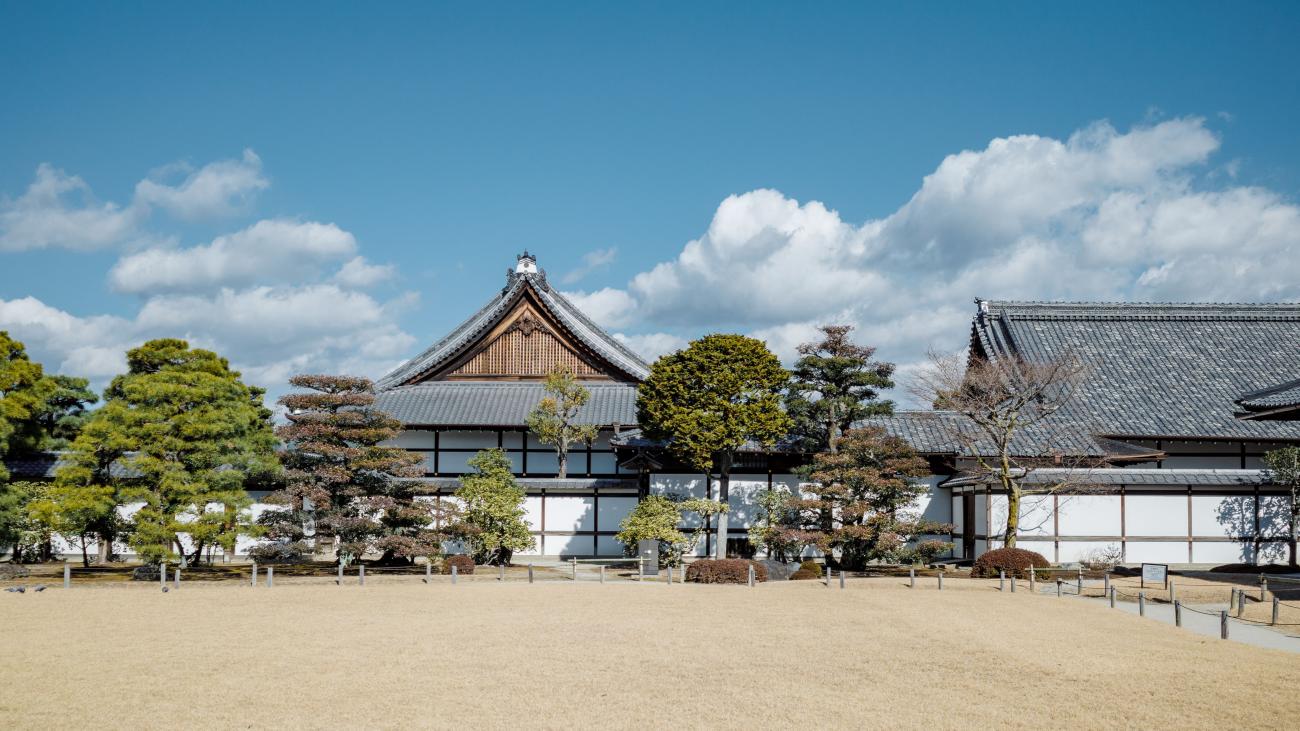
9:30 a.m. - Check out of your room before meeting our local guide. We depart for Kyoto, visiting Ryoanji Temple, famous for its iconic Zen rock garden. Today’s lunch will be at a local restaurant with Buddhist Vegetarian Cuisine.
This afternoon, we will visit Kyoto’s Imperial Palace and Nijo Castle. These sites served as imperial and shogunal residence for centuries, reflecting Japan’s historical and cultural heritage.
We transfer to our new hotel to check in for our two-night stay.
Meals: Breakfast, Lunch
Accommodation: Rihga Royal Hotel Kyoto
Day 4 - Wednesday 10 Mar 2027: Kyoto
After breakfast, meet in the boardroom at 8 a.m. for a morning chat.
9:30 a.m. - This morning, we will explore traditional wooden merchant townhouses with our Machiya Tour and Tea Ceremony at Nishijin Tondanya. Today, we will enjoy traditional home-style Obanzai Cuisine.
This afternoon, we have the chance to try our culinary skills in making Tsukemono, a pickled vegetable side dish and then Wagashi, sweet Japanese confections.
Following our culinary exercise, we will transfer to Gion, Kyoto’s most famous geisha district. Stroll along picturesque Hanamikoji Street, home to many long-established traditional Japanese restaurants.
Meals: Breakfast, Lunch
Accommodation: Rihga Royal Hotel Kyoto
Day 5 - Thursday 11 Mar 2027: Onward to Tokyo
After breakfast, meet in the boardroom at 8 a.m. for a morning chat.
8:30 a.m. - Check out of your room before meeting our local guide. We will walk to Kyoto Station (15 minutes) to board our train to Tokyo. (Luggage will be collected and transferred by delivery truck to our hotel in Tokyo.)
We will depart the station from Shinkansen Platform at 9:21 a.m. Arriving at Tokyo’s Shinagawa Station at 11:25 a.m. We will meet our new guide and transfer to a local restaurant to enjoy our Tai Chazuke lunch.
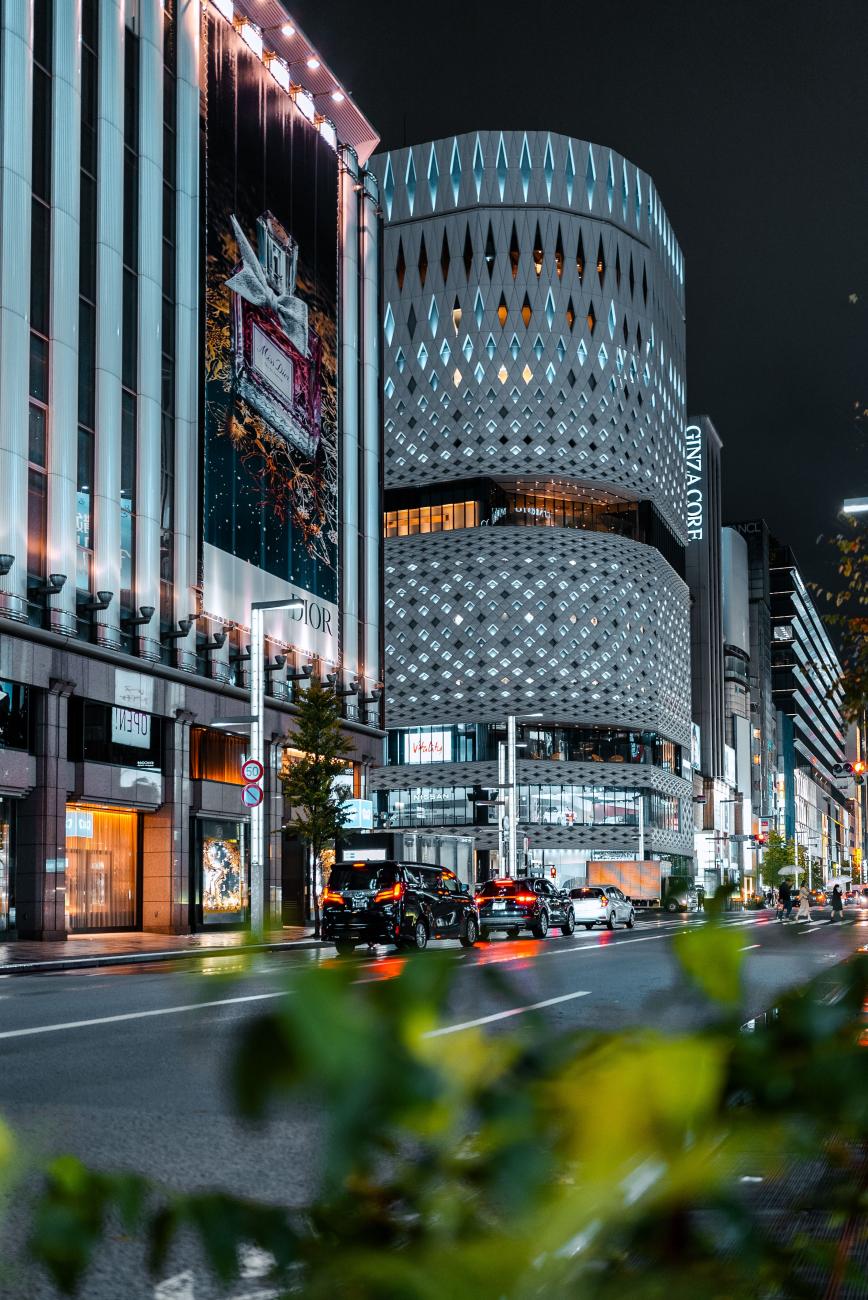
This afternoon, we visit the beautiful Eastern Garden at Imperial Palace. Following, we will have free time to browse the glamorous shopping district of Ginza.
We are transferred to our hotel for check-in.
Meals: Breakfast, Lunch
Accommodation: Sheraton Miyako Hotel Tokyo
Day 6 - Friday 12 Mar 2027: Tokyo
After breakfast, meet in the boardroom at 8 a.m. for a morning chat.
9:30 a.m. - This morning, we enjoy sightseeing in Japan’s capital, starting with a visit to Edo Tokyo Museum, learning of the history of Edo, the former name of Tokyo. Lunch today, we enjoy Soba cuisine.
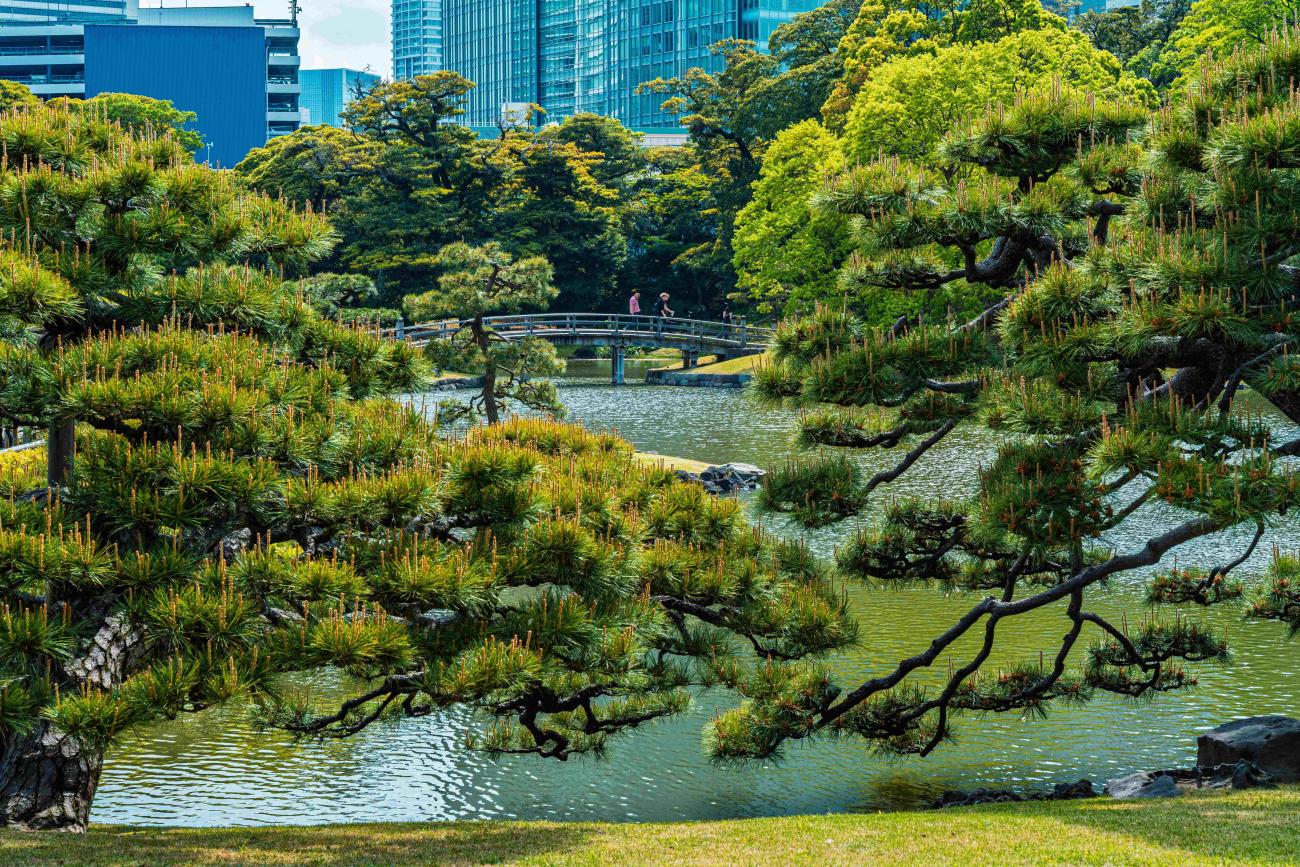
This afternoon, we visit the beautiful Hama Rikyu Garden before transferring to Nakajima no Ochaya, a traditional Japanese teahouse.
There is free time in the Ginza area to enjoy dinner on your own before returning back to your hotel. Dinner is on your own at Ginza Area.
Meals: Breakfast, Lunch
Accommodation: Sheraton Miyako Hotel Tokyo
Day 7 - Saturday 13 Mar 2027: Tokyo
After breakfast, meet in the boardroom at 8 a.m. for a morning chat.
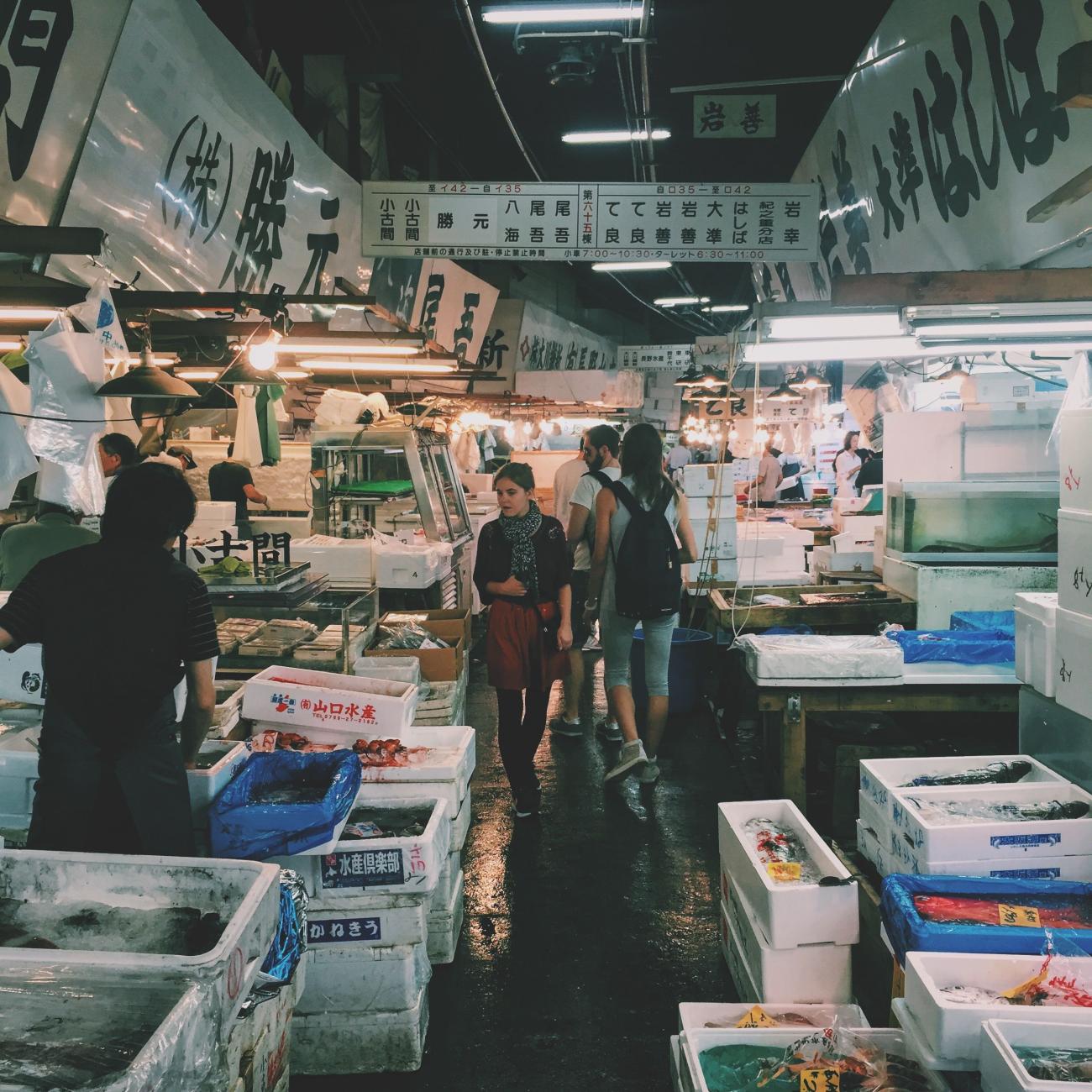
10 a.m. - This morning, we continue our sightseeing with a stroll around Tsukiji Fish Market, once the largest fish market in the world! Our lunch today is Sushi Cuisine.
After lunch, we visit Shinjuku Gyoen Garden, one of Tokyo’s largest parks, famous for its cherry blossom viewing. We finish up by visiting Shinjuku Isetan Department Store; Tokyo’s premier department store, also known for Japan’s finest gourmet foods.
Meals: Breakfast, Lunch
Accommodation: Sheraton Miyako Hotel Tokyo
Day 8 - Sunday 14 Mar 2027: Tokyo
After breakfast, meet in the boardroom at 8 a.m. for a morning chat.
9:30 a.m. - Meet our guide for a stroll around Ningyo-cho District (Amazake Yokocho, Suitengu Shrine and Tanizaki Birthplace). This offers a step back in time of old downtown Tokyo, located next to the busy financial districts. Many local businesses are family owned and have been operating for over a century.
This afternoon’s lunch is Pork Cutlet Cuisine.
We visit Meiji Jingu Shrine, a tranquil forest environment within a busy urban city. Then on to Kenzo Tange Olympic Gymnasium (no reservation and no entry to the gym). There is free time to stroll Harajuku and Uraharajuku, visiting this trendy and unique shopping area.
We will transfer Shibuya, the epicenter of modern Japanese culture. Dinner is on your own before we return back to the hotel.
Meals: Breakfast, Lunch
Accommodation: Sheraton Miyako Hotel Tokyo
Day 9 - Monday 15 Mar 2027: Tokyo departure
Say goodbye to Japan and your fellow travelers as you depart Tokyo for your flight home.
Meals: Breakfast
Notes:
- The above tour schedule is subject to change without prior notice, depending on the heavy traffic conditions.
- Transfer times are approximate and subject to local conditions at the time of travel.
Pricing
Tour Inclusions
Inclusions
- 8 Breakfast(s) / 7 Lunch(es)
- One time pool usage on each day
- Overnight accommodation including daily breakfast, hotels tax and service charges
- Private & Public transfers and transportation on tour
- Trains: Based on Tourist Class reserved seats on JR Shinkansen
- Sightseeing with local English-speaking guides (one guide in each city)
- Entrance fees and boat rides
- Meals as specified (meals only, NO drinks/ water)
- Boarding room: Included as mentioned in the itinerary.
Non-inclusions
- Drinks are NOT included.
- All dinners
- Portage service
- Airport Assistance Service
- Separate luggage truck
- Visa
- Other meals where not mentioned in the program.
- Other flights & airport taxes
- Hotel early check in/ late check-out
- Overweight luggage
- Personal expenses
- Travel insurance
- Tips & gratuities
- Other services not listed in inclusive column
Tour Price (per person): $7,980 (U.S.$)
Single Supplement: $1,425 (U.S.$)
General booking conditions
Payment
- 30% non-refundable deposit is to be made upon commitment of the tour.
- Final payment is due by December 15, 2026.
Cancellation
Any cancellations must be made at time of writing.
- Non-refundable deposit of 30% for all confirmed bookings.
- 70 days prior to arrival date - 100% of the tour cost
Special conditions: Depending on airlines, hotels ,cruises' cancellation policies, the above conditions may be modified.
Travel information
Country overview
Please refer to the links below for Country Overview:
Visa requirements for arrival by air
Please ensure your passport is valid more than 6 months from the date of return for every country you are visiting. Please also ensure there is sufficient space in your passport to allow for all immigration procedures, taking note that some Southeast Asian countries take up a full page for the visa sticker and need yet more space on a separate page for entry & exist stamps. Kindly note that visa service is not included in our proposal. Please contact Trails of Indochina for any visa service or guidance. Please refer to the following links for more information about Visa in each destination.
Trip & travel insurance
The tour price does not include personal insurance. Travelers are highly recommended to purchase Trip Insurance & Travel Insurance upon commitment of the booking in case of force majeure. Trip Insurance covers the cost of your trip should you be forced to cancel your trip before you start the trip. Travel Insurance covers such costs as emergency and medical evacuation, hospital fees, property loss, etc. which could possibly happen during the trip. If you would like Trails of Indochina to have a copy of your Trip Insurance & Travel Insurance information in case of emergency, please forward these details to your agent who will in turn forward to our office.
For further information and to book the trip, please contact:
Travelstore VIP
Karen Goodrich
18881 Von Karman Ave., Suite 1400
Irvine, CA 92612
Tel: 949-930-9288
Email: Karen.Go@Travelstore.com